
Blood disorders and cancers in children require a different clinical approach from similar conditions in adults. A child is still growing, and factors such as age, weight, development, immune function, nutrition, and long-term health must be considered while evaluating symptoms and planning treatment. This is where a Pediatric Hematologist Oncologist in Nagpur can play an important role.
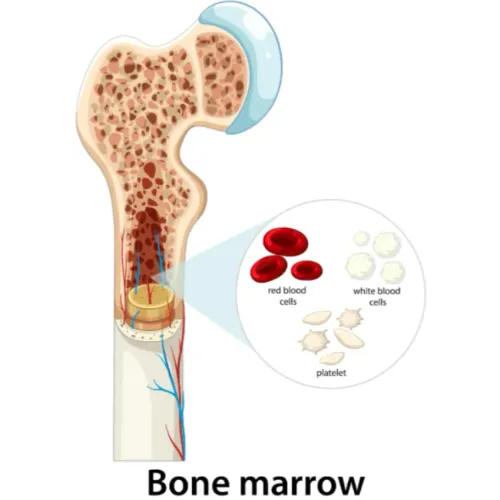
Pediatric hematology focuses on disorders involving blood cells, bone marrow, clotting, and related conditions. Pediatric oncology focuses on cancers affecting infants, children, and adolescents. Because some symptoms and laboratory findings overlap, these specialties are often closely connected.
Symptoms That May Need Further Evaluation
Many common childhood illnesses can temporarily affect blood counts. A single abnormal blood test does not automatically indicate a serious disease. However, persistent symptoms or repeated abnormalities may require specialist assessment.
Parents may be advised to seek further evaluation when a child develops
- Persistent or unexplained paleness
- Frequent or unusual bruising
- Recurrent nose or gum bleeding
- Persistent fever without a clear explanation
- Repeated infections
- Significant tiredness or weakness
- Enlarged lymph nodes that do not settle
- Unexplained bone or joint pain
- Abdominal swelling or fullness
- Poor appetite accompanied by other concerning symptoms
- Abnormal hemoglobin, platelet, or white blood cell counts
These findings can occur for many reasons, including nutritional deficiencies, infections, inherited blood conditions, immune disorders, and bone marrow diseases. Careful evaluation helps determine what is actually causing them.
What Does Pediatric Hematology Cover?
A pediatric hematologist evaluates both common and complex blood-related conditions.
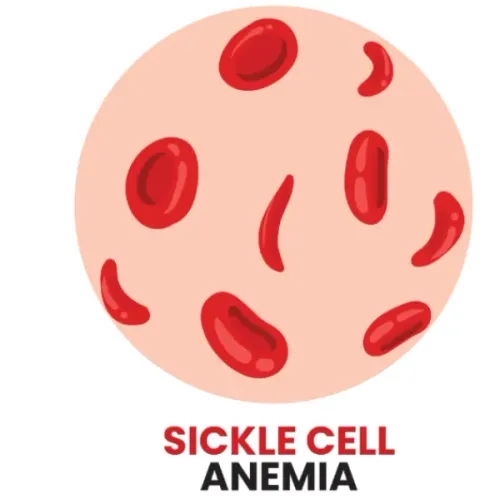
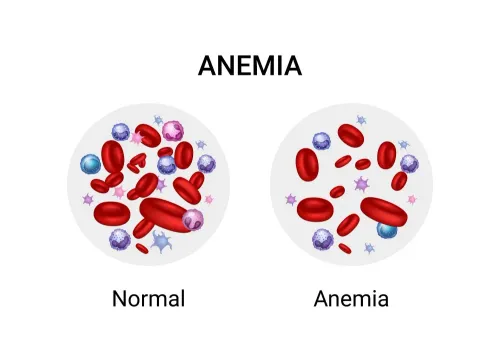
Depending on the child's symptoms and test findings, specialist care may involve conditions such as anemia, sickle cell disease, platelet disorders, bleeding disorders, aplastic anemia, or abnormalities involving white blood cells.
The evaluation often begins with the child's medical history, family history, physical examination, and review of previous investigations.
Tests are selected according to the clinical situation rather than following the same pathway for every child. A complete blood count, peripheral blood smear, reticulocyte count, iron studies, coagulation tests, or other investigations may be considered. In selected circumstances, bone marrow examination or specialized testing may be required.
How Pediatric Oncology Is Different
Childhood cancers differ considerably from many cancers typically seen in adults. Leukemia is one of the better-known pediatric cancers, but children may develop several other malignant conditions.
Treatment also needs to account for a child's development and potential long-term effects.
Pediatric oncology care can involve chemotherapy, supportive medicines, transfusion support, infection prevention, nutritional care, monitoring of treatment response, and, for selected diseases, stem cell or bone marrow transplantation.
Care is therefore rarely limited to prescribing one medicine. It usually requires structured monitoring throughout diagnosis, active treatment, and follow-up.
Why Accurate Diagnosis Comes First
Symptoms such as fatigue, fever, pallor, or bruising can understandably worry families. However, these signs are not specific to cancer.
For example, pallor may result from iron deficiency, while fever may be caused by an infection. Platelet counts can also fall temporarily during certain viral illnesses.
The purpose of specialist evaluation is to distinguish relatively common conditions from problems requiring more extensive investigation.
Parents should avoid interpreting isolated laboratory values without considering the child's overall clinical picture. Trends in blood counts, physical findings, symptoms, and additional investigations can be more informative than one number alone.
Pediatric Hematology-Oncology Care in Nagpur
Families in Nagpur and surrounding parts of Maharashtra may prefer specialist pediatric care closer to home because some blood disorders require repeated consultations, blood investigations, treatment sessions, or prolonged follow-up.
Dr. Atish Bakane provides pediatric hematology and oncology care for children requiring assessment and management of blood disorders and childhood cancers. Depending on the diagnosis, care may include evaluation, treatment planning, monitoring, supportive care, and consideration of pediatric bone marrow transplantation when clinically appropriate.
For parents, the most useful first step is not to assume the diagnosis but to understand why symptoms or blood reports are abnormal. Timely specialist assessment can help establish the cause and create an appropriate plan based on the child's individual condition.
Keywords