
Hearing that a child may have a blood cancer can leave parents with many questions at once. What type of cancer is it? What tests are needed? How long will treatment continue? Will hospitalization be necessary?
Understanding the basic pathway for Child Blood Cancer Treatment in Nagpur can make medical discussions easier to follow.
What Are Blood Cancers in Children?
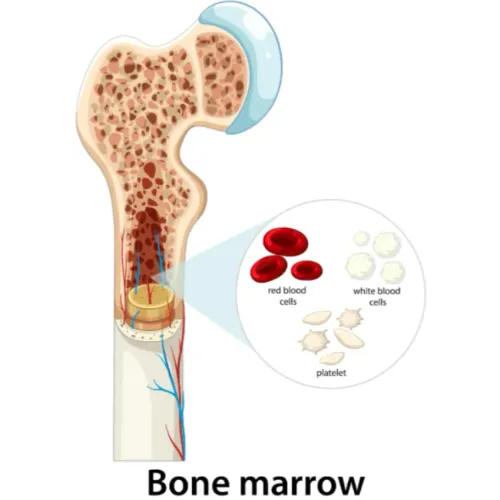
Blood cancers affect blood-forming cells, bone marrow, or the lymphatic system. Leukemia is among the best-known blood cancers occurring in childhood, while lymphomas and other hematological malignancies can also affect children and adolescents.
Different diseases behave differently. Even within leukemia, the precise subtype and biological features can influence treatment.
This is why confirming the diagnosis accurately is essential before therapy begins.
How Is a Blood Cancer Diagnosed?
Investigation may start after persistent symptoms or an abnormal blood test.
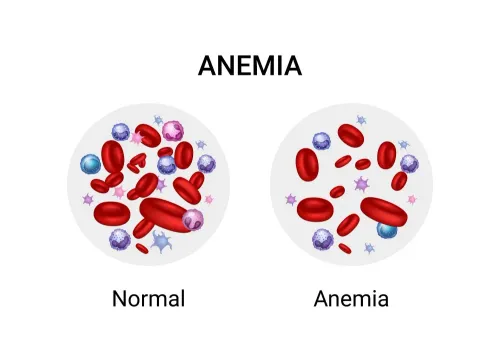
A child may initially be evaluated for fever, weakness, bruising, bleeding, pallor, enlarged lymph nodes, bone pain, or repeated infections. A complete blood count can identify abnormalities involving red cells, white cells, or platelets.
If the findings raise concern about leukemia or another marrow disease, additional tests may be required.
These can include
- Peripheral blood examination
- Bone marrow aspiration or biopsy
- Flow cytometry
- Cytogenetic or molecular testing
- Imaging when clinically indicated
- Other disease-specific investigations
Together, these investigations help identify the exact condition and provide information needed for treatment planning.
Why Treatment Is Divided Into Phases
Some pediatric leukemias are treated through several defined phases rather than a single continuous course of identical chemotherapy.
For example, treatment may include an initial phase intended to achieve remission, followed by additional therapy designed to reduce the risk of remaining cancer cells causing the disease to return. Certain leukemia protocols also include a longer maintenance phase.
The drugs, duration, and intensity depend on the diagnosis and risk classification.
Parents should therefore avoid comparing their child's treatment schedule directly with another child's. Two children described as having leukemia may have different subtypes or risk factors requiring different plans.
Supportive Care Is Part of Cancer Treatment
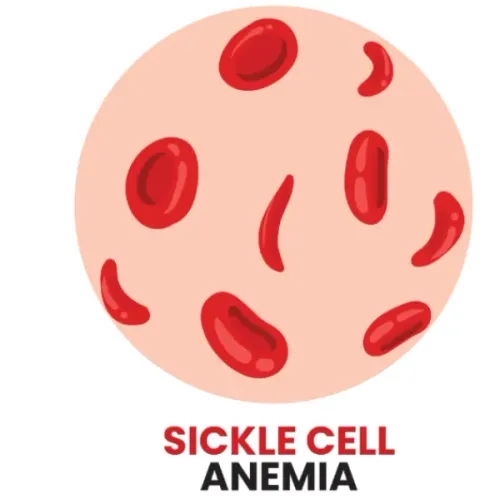
Chemotherapy can temporarily reduce normal blood cell production. As a result, a child may become more susceptible to infection, anemia, or bleeding.
Supportive care may include
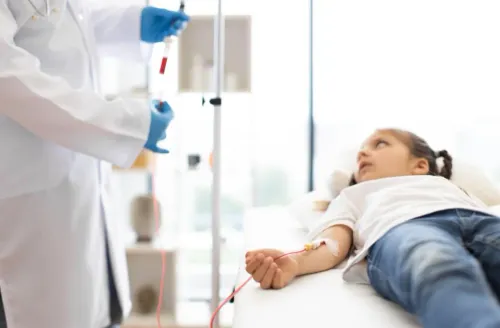
- Blood or platelet transfusions when indicated
- Medicines to prevent or treat infections
- Management of nausea and other treatment-related symptoms
- Nutritional support
- Monitoring kidney, liver, and other organ function
- Pain management when required
Parents are also taught which symptoms require prompt communication with the treating team.
When Might Bone Marrow Transplant Be Discussed?
Not every child with blood cancer needs a bone marrow transplant.
For selected high-risk, relapsed, or treatment-resistant diseases, hematopoietic stem cell transplantation may become part of the treatment discussion.
Doctors consider the type of cancer, disease response, genetic and molecular characteristics, previous treatment, donor availability, and the child's overall health before recommending transplantation.
Continuing Care Close to Home
Cancer treatment often involves repeated hospital visits over weeks or months. Families from Nagpur and nearby areas of Maharashtra may therefore value access to pediatric oncology expertise within the region.
Dr. Atish Bakane provides pediatric hematology-oncology care in Nagpur, including assessment and treatment of childhood blood cancers and evaluation for pediatric BMT where clinically appropriate.
Parents can make consultations more productive by maintaining a file containing pathology reports, blood tests, bone marrow findings, imaging, treatment records, and medication details.
Childhood blood cancer treatment is a structured process involving diagnosis, disease-specific therapy, supportive care, response monitoring, and long-term follow-up. Understanding each stage can help families participate more confidently in decisions while the medical team focuses on the individual needs of the child.
Keywords