
Children with complex blood diseases may require more than one type of specialist service during their treatment journey. A child may initially need evaluation for abnormal blood counts, later require oncology treatment, and, in selected circumstances, be assessed for stem cell transplantation.
This makes Pediatric Hematology Oncology Pediatric BMT in Nagpur particularly relevant for families dealing with complicated blood and bone marrow conditions.
Three Closely Connected Areas of Care
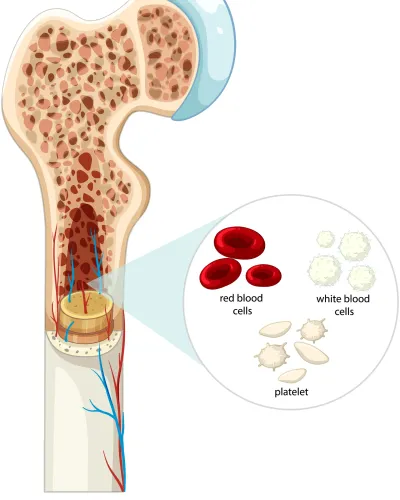
Pediatric hematology focuses on disorders affecting blood cells, clotting, and bone marrow.
Pediatric oncology deals with childhood cancers, including leukemia and lymphoma.
Pediatric bone marrow transplantation involves hematopoietic stem cell transplantation for selected malignant and non-malignant diseases.
Although these are distinct areas, there is substantial clinical overlap.
For example, a child with severe aplastic anemia begins within pediatric hematology but may later require transplant assessment. A child with high-risk leukemia receives oncology treatment and may need BMT depending on disease response and other risk factors.
Why Continuity Can Be Valuable
Complex treatment produces a large amount of medical information.
Blood-count trends, bone marrow findings, molecular reports, chemotherapy history, transfusions, infections, and treatment responses can all influence future decisions.
When these aspects are considered together, clinicians can evaluate the child's condition in context rather than treating each episode as an unrelated problem.
Continuity also helps families understand how one treatment decision affects the next stage of care.
Which Conditions May Need Integrated Management?
Children who may benefit from coordinated hematology-oncology-transplant evaluation include those with
- Leukemia
- Lymphoma and selected other cancers
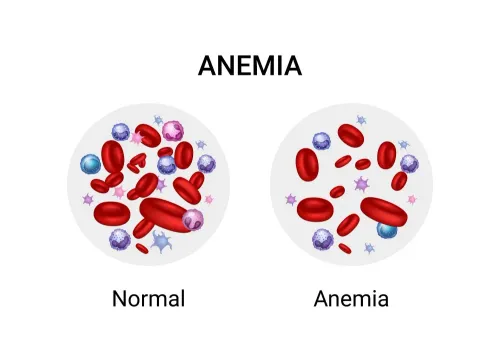
- Severe aplastic anemia
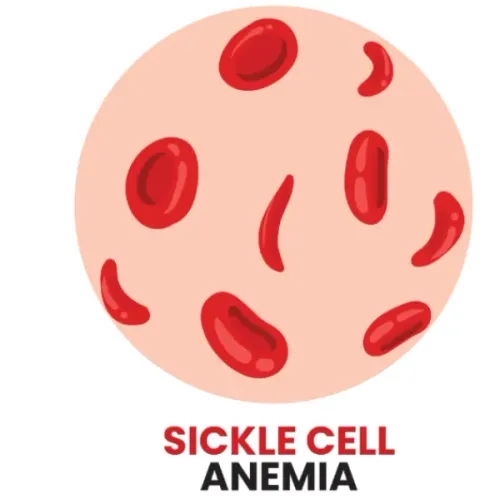
- Sickle cell disease in selected circumstances
- Certain inherited bone marrow disorders
- Selected immune deficiencies
- Other serious hematological conditions
The exact treatment pathway remains disease-specific.
BMT Is a Treatment Option, Not a Default Destination
The availability of transplant expertise does not mean every child with a serious blood disorder should undergo BMT.
Transplantation carries significant potential benefits as well as important risks.
Doctors evaluate the disease itself, response to standard treatment, donor options, organ function, infection history, and other individual factors before making a recommendation.
In some cases, continuing non-transplant treatment is the more appropriate choice.
What Families Should Expect From Coordinated Care
An integrated pediatric hematology-oncology approach should help parents obtain clear answers to practical questions.
These may include
- What is the exact diagnosis?
- Which tests confirmed it?
- What is the immediate treatment goal?
- How will response be monitored?
- What complications should we watch for?
- Could transfusions be necessary?
- Is BMT relevant now or potentially later?
- If transplantation is considered, what donor testing is required?
- What follow-up will be necessary after treatment?
Clear answers help families understand the sequence of care rather than viewing each test or procedure in isolation.
Local Access Can Reduce Practical Challenges
Children receiving cancer or complex hematology treatment may require repeated blood tests, consultations, transfusions, chemotherapy sessions, or hospital monitoring.
For families based in Nagpur and nearby areas of Maharashtra, receiving appropriate specialist care within the region can simplify some of the practical demands associated with repeated treatment visits.
Medical suitability should remain the primary consideration, but geography can matter when treatment continues for months or requires frequent monitoring.
Evaluating Integrated Pediatric Care in Nagpur
Dr. Atish Bakane's clinical focus includes pediatric hematology, pediatric oncology, childhood blood cancers, blood disorders, and pediatric bone marrow transplantation in Nagpur.
For families dealing with a newly diagnosed condition, an initial consultation should establish what is known, what remains uncertain, and which investigations or treatments are genuinely necessary.
For children already receiving treatment, bringing complete previous records is especially important. Bone marrow reports, pathology findings, molecular investigations, chemotherapy records, transfusion history, discharge summaries, and current medication lists can all contribute to decision-making.
Integrated pediatric hematology-oncology and BMT care is ultimately about connecting diagnosis, treatment, supportive care, and long-term monitoring. For complex childhood blood diseases, that continuity can make the overall medical pathway clearer and more coordinated for both children and their families.
Keywords