
Sickle cell disease is an inherited blood disorder that requires ongoing care rather than treatment only when a child develops pain or fever. For families searching for a Sickle Cell Anemia Doctor in Nagpur, the quality of long-term monitoring is just as important as the management of acute episodes.
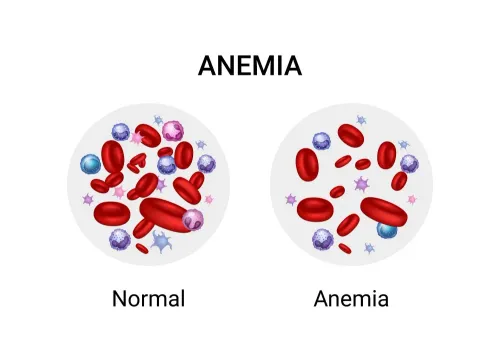
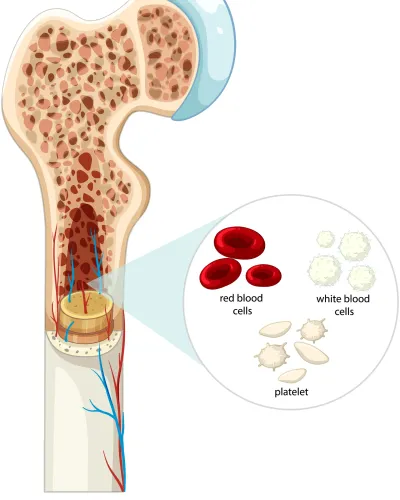
The condition affects hemoglobin within red blood cells. Under certain circumstances, affected cells can become rigid and change shape, contributing to anemia and problems with blood flow.
Why Children Need Regular Follow-Up
A child with sickle cell disease may appear well between episodes. That does not mean monitoring can stop.
Ongoing pediatric hematology care helps doctors track growth, hemoglobin levels, symptoms, complications, treatment response, and preventive healthcare needs.
Follow-up schedules vary according to age, disease severity, treatment, and previous complications.
What Should Long-Term Care Include?
A structured care plan can address several areas.
Monitoring Blood Health
Regular blood investigations may be needed to assess anemia and other hematological changes.
The doctor interprets these results in relation to the child's baseline because laboratory values in sickle cell disease cannot always be interpreted in the same way as those of an otherwise healthy child.
Preventing and Managing Infections
Certain infections can become serious in children with sickle cell disease.
Vaccination, age-appropriate preventive strategies, and clear instructions about fever are therefore important. Parents should know when a fever requires urgent assessment.
Recognizing Pain Episodes
Pain crises can occur when sickled cells interfere with blood flow.
Families should have a plan for hydration, pain management, and medical assessment based on advice from the child's treating team. Severe pain, breathing difficulty, neurological symptoms, or significant deterioration requires prompt medical attention.
Monitoring Growth and Development
Chronic anemia and repeated illness can affect a child's overall well-being.
Tracking height, weight, nutrition, school attendance, activity, and development helps clinicians assess the broader impact of the disease.
Questions to Ask When Selecting a Specialist
Parents evaluating pediatric sickle cell care in Nagpur can ask
- Is ongoing pediatric hematology follow-up available?
- How are acute pain episodes managed?
- What should we do if the child develops fever?
- How often are blood tests required?
- Which preventive medicines or vaccinations are relevant?
- How are potential complications screened?
- When are transfusions considered?
- Is advanced treatment evaluation available if required?
These questions reveal whether care is structured around long-term disease management rather than isolated consultations.
What About Curative Treatment?
Families increasingly hear about stem cell transplantation in relation to sickle cell disease.
Hematopoietic stem cell transplantation can offer a potentially curative approach for selected patients, but it is not automatically appropriate for every child.
The decision involves disease severity, complications, donor availability, age, overall health, transplant-related risks, and family preferences.
A pediatric hematologist with transplant expertise can explain whether such an evaluation is appropriate and what alternatives remain available.
Pediatric Sickle Cell Care in Nagpur
Sickle cell disease has particular relevance in parts of central India, including regions of Maharashtra. Access to pediatric hematology care can therefore be valuable for families managing the condition over many years.
Dr. Atish Bakane provides pediatric hematology services in Nagpur, including management of childhood blood disorders and assessment for pediatric bone marrow transplantation where clinically indicated.
Families can support continuity of care by maintaining a record of blood reports, transfusions, hospital admissions, medications, vaccinations, previous complications, and significant pain episodes.
Choosing a sickle cell specialist is ultimately about establishing a long-term care relationship. Consistent monitoring, complication prevention, timely management of acute symptoms, and appropriate discussion of advanced therapies can help create a more organized approach to the child's health.
Keywords