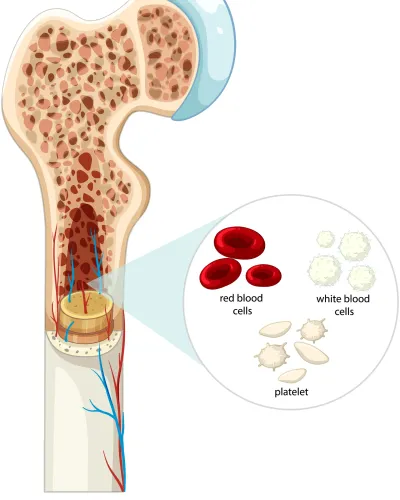
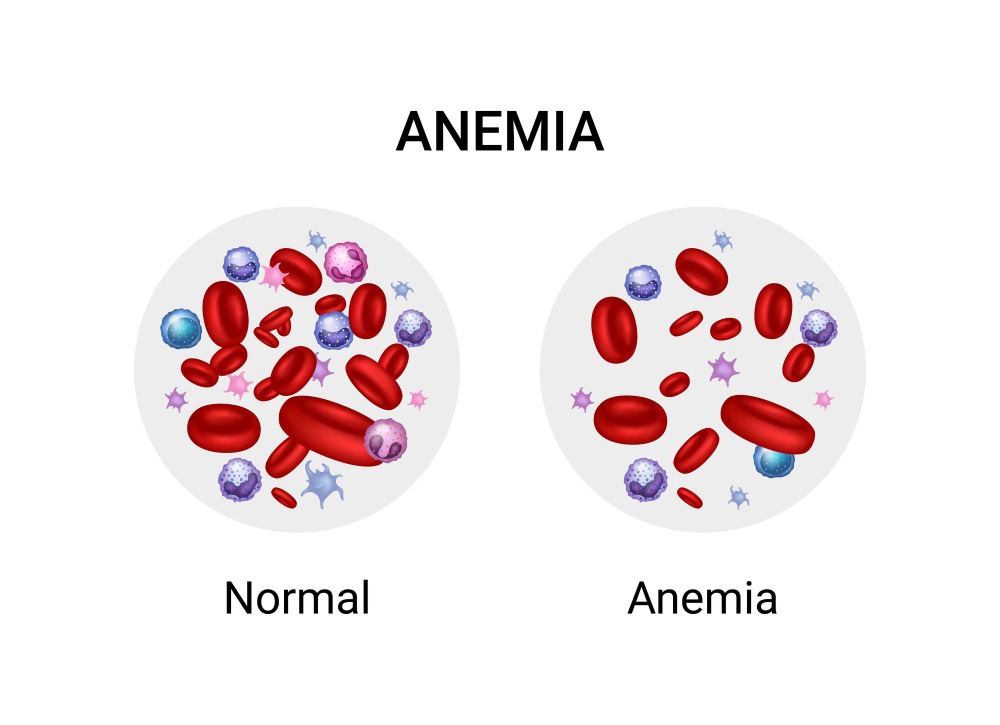
Aplastic anemia is a serious bone marrow disorder in which the marrow does not produce enough blood cells. Because red blood cells, white blood cells, and platelets have different functions, reduced production can lead to fatigue, infection, and bleeding problems.
Families seeking Aplastic Anemia Treatment for Children in Nagpur may encounter terms such as pancytopenia, bone marrow failure, immunosuppressive therapy, donor matching, and stem cell transplantation. Understanding these concepts can make the treatment discussion easier.
Why Aplastic Anemia Is Different From Common Anemia
The word anemia often makes people think primarily about low iron or low hemoglobin.
Aplastic anemia is different.
It involves reduced bone marrow production and may affect multiple blood cell lines. A child can therefore have low red blood cells, low white blood cells, and low platelets at the same time.
Possible symptoms include
- Increasing tiredness
- Paleness
- Shortness of breath with activity
- Frequent infections
- Persistent fever
- Easy bruising
- Nose or gum bleeding
- Tiny red or purple spots on the skin
These symptoms can occur in other conditions as well, so proper testing is essential.
How Is Aplastic Anemia Diagnosed?
Doctors typically review the child's complete blood count and peripheral blood findings. If bone marrow failure is suspected, a bone marrow examination is often an important part of evaluation.
Additional investigations may be performed to rule out other causes of low blood counts and to identify inherited or acquired bone marrow disorders.
This distinction matters because treatment differs according to the underlying diagnosis.
How Is Severity Assessed?
Aplastic anemia can vary in severity.
Doctors assess blood counts and bone marrow findings to understand how significantly blood production has been affected. This classification can influence the urgency and type of treatment considered.
Parents should ask the specialist to explain how severe the child's condition is rather than relying solely on whether one laboratory value is marked low.
What Treatment Options May Be Considered?
Treatment is individualized.
Supportive care may involve red-cell or platelet transfusions when clinically required, infection treatment or prevention, and close monitoring of blood counts.
For certain children with severe disease, hematopoietic stem cell transplantation may be considered, particularly when an appropriate donor is available and transplantation is judged suitable.
In other circumstances, immunosuppressive treatment may form part of the management strategy.
The choice between approaches depends on multiple factors, including disease severity, age, donor availability, underlying cause, and overall health.
Why Donor Evaluation Can Matter
If transplantation is being considered, HLA matching is used to evaluate potential donors.
Families sometimes assume that any relative can donate bone marrow. In reality, donor suitability requires specific laboratory testing and medical assessment.
When a conventional matched donor is not available, the transplant team can discuss whether other donor strategies are relevant to the child's circumstances.
What Should Parents Monitor?
Children with significantly reduced blood counts may need careful protection from complications.
Parents should follow the treating team's instructions regarding fever, infection exposure, bleeding, physical activities, medicines, and hospital review.
Unprescribed medicines should not be given simply because another child with anemia received them. Aplastic anemia is fundamentally different from routine nutritional anemia.
Specialist Care in Nagpur
Dr. Atish Bakane provides pediatric hematology care in Nagpur for children with blood and bone marrow disorders, including aplastic anemia. His pediatric hematology-oncology practice also includes bone marrow transplantation assessment when this becomes clinically relevant.
Families from Nagpur and surrounding regions of Maharashtra should bring previous CBC reports, bone marrow reports, transfusion records, prescriptions, and information about previous infections or treatments to specialist consultations.
Aplastic anemia requires more than correction of a low hemoglobin level. The central issue is inadequate bone marrow function, making accurate diagnosis, severity assessment, complication prevention, and selection of an appropriate treatment strategy essential parts of pediatric care.
Keywords