When bone marrow transplantation is recommended for a child, families often begin comparing hospitals at a time when they are already processing a complex diagnosis. The decision should not be based on one feature alone.
Parents looking for a Bone Marrow Transplant Hospital in Nagpur should evaluate the complete pediatric transplant pathway—from pre-transplant assessment and donor selection to infection control and long-term follow-up.
Pediatric Expertise Should Come First
Children are not simply smaller adult transplant patients.
Age affects medication dosing, nutrition, emotional support, infection management, growth monitoring, and long-term follow-up.
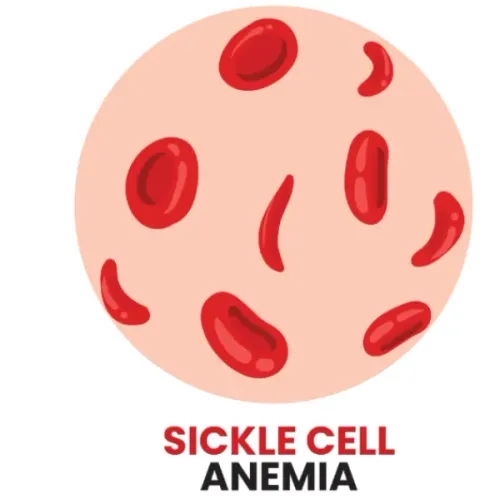
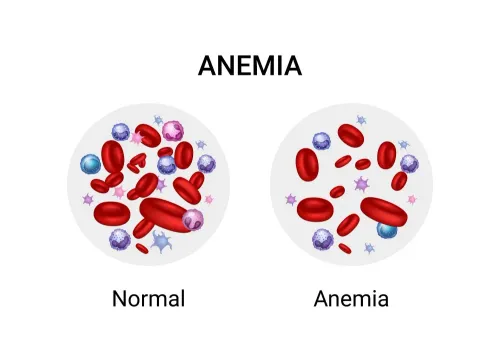
The underlying diseases leading to transplantation also differ. Pediatric BMT may be considered for selected children with leukemia, severe aplastic anemia, sickle cell disease, immune disorders, or other serious hematological conditions.
Families should therefore ask whether the team routinely evaluates children with the specific diagnosis involved.
Ask How Transplant Suitability Is Determined
A responsible transplant program should not present BMT as appropriate for every serious blood disorder.
The first question should be whether transplantation offers a reasonable benefit for the child's particular condition.
Assessment may consider
- Diagnosis and disease severity
- Previous treatment
- Response to therapy
- Age and overall health
- Organ function
- Active or previous infections
- Donor availability
- Alternative treatment options
Parents should understand why BMT is being recommended at that particular stage.
Understand the Donor-Matching Process
For an allogeneic transplant, donor selection is a major part of planning.
Ask how HLA matching is performed and which donor sources may be evaluated. Depending on the child's circumstances, the transplant team may discuss related or alternative donor options.
Donor selection is a medical decision and cannot be determined simply by blood group.
Review Infection-Control and Supportive-Care Capabilities
After conditioning treatment and stem cell infusion, immunity can remain significantly weakened.
A pediatric transplant service therefore needs structured infection prevention, monitoring, and rapid treatment pathways.
Supportive care may also involve
- Blood and platelet transfusions
- Nutritional support
- Central-line management
- Monitoring kidney and liver function
- Management of nausea and pain
- Prevention or treatment of transplant-related complications
Families should understand what support is available throughout hospitalization.
Ask About Post-Transplant Follow-Up
Discharge does not mean transplant care has finished.
Children may need frequent follow-up for blood counts, medicines, infection surveillance, immune recovery, graft function, and possible graft-versus-host disease.
Longer-term pediatric follow-up can also address vaccination, growth, development, endocrine health, and late treatment effects.
Ask where these reviews will occur and how quickly the transplant team can be contacted if problems develop.
Practical Questions Matter Too
Medical quality is the priority, but practical preparation is important for families.
Ask about the expected hospital stay, caregiver requirements, accommodation considerations for families coming from outside Nagpur, frequency of follow-up visits, and precautions after discharge.
Parents may also request a clear explanation of anticipated treatment-related costs and which expenses could vary according to complications or duration of hospitalization.
Pediatric BMT Expertise in Nagpur
Dr. Atish Bakane works in pediatric hematology, oncology, and pediatric bone marrow transplantation in Nagpur. For children being evaluated for BMT, the clinical process should begin with determining whether transplantation is appropriate for the underlying disease before moving to donor selection and transplant preparation.
Families can bring complete medical records to the consultation, particularly bone marrow findings, pathology reports, genetic or molecular tests, previous chemotherapy details, transfusion history, and infection records.
Choosing a pediatric transplant service is ultimately about the complete system of care. Experienced disease assessment, appropriate donor planning, supportive care, infection management, and structured follow-up all matter when evaluating a bone marrow transplant option for a child.
Keywords