
An abnormal blood report in a child can raise immediate concern, but not every blood disorder has the same cause or requires the same treatment. Anemia, low platelets, abnormal white blood cells, inherited blood diseases, and bone marrow disorders all require different approaches.
Parents evaluating Child Blood Disorder Treatment in Nagpur should therefore look for care that begins with diagnosis rather than treatment based solely on one laboratory result.
Start With the Exact Problem
A complete blood count contains several measurements. Understanding which component is abnormal helps guide further investigation.
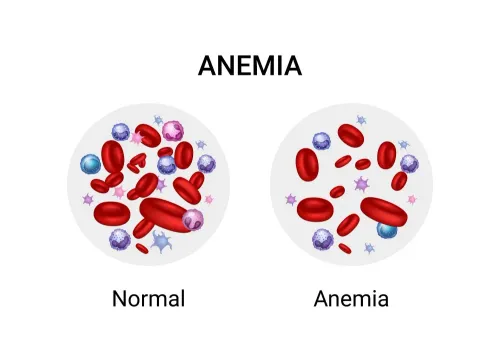
Low hemoglobin may indicate anemia, but anemia itself has many possible causes.
A low platelet count can result from infections, immune conditions, medicines, or bone marrow problems.
Changes in white blood cells can occur during routine infections but can also require investigation when they are severe, persistent, or accompanied by other abnormal findings.
A pediatric hematologist interprets these values alongside the child's symptoms and medical history.
Look for a Diagnosis-First Approach
A useful specialist assessment should answer three basic questions
- Which blood cells are affected?
- Why are they abnormal?
- Does the condition require observation, treatment, or additional testing?
Investigations should then be chosen according to the suspected cause.
Depending on the clinical picture, this may include iron or vitamin studies, reticulocyte count, peripheral smear, hemoglobin analysis, clotting tests, immune investigations, or bone marrow examination.
Not every child needs every test.
Consider Experience With Both Common and Complex Disorders
Some pediatric blood problems are relatively straightforward to manage. Others require long-term specialist care.
A pediatric hematology service may manage children with nutritional and non-nutritional anemia, platelet abnormalities, sickle cell disease, aplastic anemia, and various bone marrow conditions.
An advantage of specialist assessment is the ability to recognize when an apparently routine abnormality warrants more detailed investigation.
Ask How Ongoing Monitoring Works
Many blood disorders cannot be assessed through a single visit.
For example, doctors may need to monitor whether hemoglobin improves, whether platelet counts recover, or whether blood-cell abnormalities remain persistent.
Parents should understand
- When the next blood test is required
- Which symptoms need earlier review
- Whether medicines require monitoring
- What improvement should be expected
- When additional investigations would be considered
A clear follow-up plan reduces uncertainty.
Understand When Advanced Care Is Relevant
Some serious pediatric hematological conditions can require transfusions, hospitalization, immunosuppressive treatment, chemotherapy, or hematopoietic stem cell transplantation.
These treatments are not interchangeable.
A child with severe aplastic anemia has different treatment considerations from a child with leukemia or sickle cell disease.
When advanced therapy is proposed, families should ask why it is appropriate for the specific diagnosis and what alternatives exist.
Bring the Right Information to the Consultation
Parents can make the first hematology visit more productive by carrying
- Previous complete blood counts
- Peripheral smear reports
- Hospital discharge summaries
- Details of previous transfusions
- Current and previous medicines
- Relevant family medical history
- Bone marrow or genetic reports, if already performed
If the child has received transfusions or treatment at different hospitals, creating a simple chronological record can be particularly helpful.
Pediatric Blood Disorder Care in Nagpur
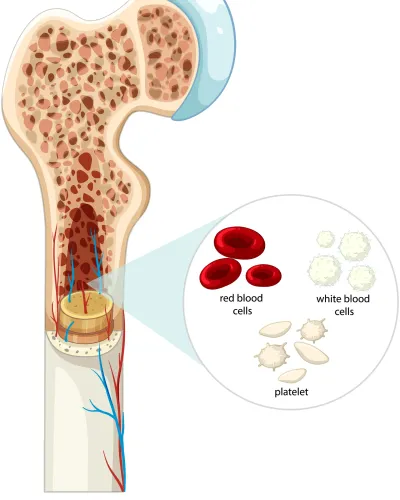
Dr. Atish Bakane provides pediatric hematology and oncology care for children in Nagpur with a range of blood and bone marrow conditions. The scope includes management of disorders such as anemia, sickle cell disease, aplastic anemia, childhood leukemia, and other hematological conditions, with pediatric BMT evaluation when medically appropriate.
Families in Nagpur and surrounding areas of Maharashtra should choose specialist care based on the child's actual diagnosis, the complexity of treatment required, and the availability of appropriate follow-up.
An abnormal blood report is a starting point, not a final diagnosis. The right pediatric hematology approach connects laboratory findings with symptoms, examination, targeted investigations, and an individualized management plan.
Keywords