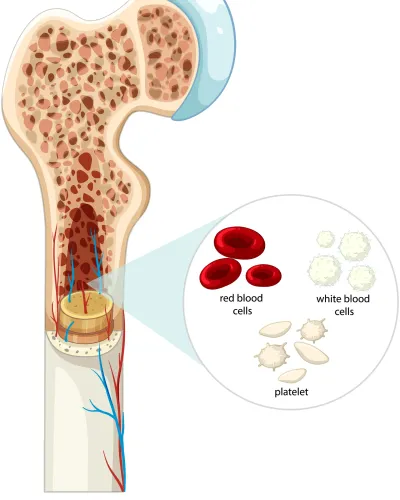

Leukemia is the most common type of childhood cancer, affecting the blood and bone marrow where blood cells are produced. Although hearing the diagnosis can be frightening, medical advances have made childhood leukemia one of the most treatable pediatric cancers when diagnosed early and managed by experienced specialists.
Families searching for Leukemia Treatment for Kids in Nagpur often want to understand the condition, recognize early symptoms, and learn what treatment involves before making important healthcare decisions.
What Is Pediatric Leukemia?
Leukemia develops when abnormal white blood cells grow uncontrollably inside the bone marrow. These unhealthy cells interfere with the production of normal blood cells responsible for carrying oxygen, fighting infections, and controlling bleeding.
The two most common forms seen in children include:
- Acute Lymphoblastic Leukemia (ALL)
- Acute Myeloid Leukemia (AML)
Both conditions require prompt diagnosis and carefully planned treatment.
Symptoms That Should Not Be Ignored
Because leukemia affects blood production, symptoms often develop gradually.
Parents may notice:
- Frequent fever
- Recurrent infections
- Persistent tiredness
- Pale appearance
- Easy bruising
- Nosebleeds
- Gum bleeding
- Bone pain
- Joint discomfort
- Swollen lymph nodes
- Enlarged liver or spleen
Many of these symptoms resemble common childhood illnesses, making professional evaluation especially important when they persist.
How Doctors Confirm the Diagnosis
Leukemia cannot be diagnosed based on symptoms alone.
Doctors usually recommend:
- Complete blood count
- Peripheral blood smear
- Bone marrow aspiration
- Bone marrow biopsy
- Flow cytometry
- Cytogenetic testing
- Molecular analysis
These investigations help determine the exact leukemia subtype and guide treatment decisions.
Understanding the Treatment Journey
Treatment plans vary according to the leukemia type, risk category, and the child's overall health.
Induction Therapy
The first phase focuses on destroying as many leukemia cells as possible and achieving remission.
Consolidation Therapy
Additional treatment aims to eliminate any remaining cancer cells that may not be visible through routine testing.
Maintenance Therapy
Some children require prolonged treatment over months or years to reduce the chance of relapse.
Supportive Care
Children may also receive:
- Blood transfusions
- Platelet transfusions
- Antibiotics
- Nutritional support
- Pain management
- Infection prevention
Supportive treatment plays a significant role in helping children tolerate therapy safely.
Why Regular Monitoring Matters
Even after treatment begins, regular assessments help doctors evaluate:
- Response to therapy
- Blood counts
- Organ function
- Side effects
- Nutritional status
- Risk of infection
Treatment plans may be adjusted according to the child's progress.
Can Bone Marrow Transplant Be Needed?
Some children with high-risk leukemia or recurrent disease may benefit from bone marrow transplantation.
Doctors evaluate several factors before recommending this option, including:
- Disease characteristics
- Treatment response
- Availability of a suitable donor
- Overall medical condition
Not every child requires transplantation, but it can provide an important treatment option in selected cases.
Helping Children Through Treatment
Parents often become active members of the healthcare team.
Practical ways to support children include:
- Maintaining medication schedules
- Encouraging hydration
- Offering nutritious meals
- Protecting against infections
- Reporting fever immediately
- Attending scheduled follow-ups
- Supporting emotional well-being
Children may also benefit from counselling and age-appropriate educational support during prolonged treatment.
Choosing Specialized Pediatric Leukemia Care
Leukemia treatment requires expertise in pediatric hematology and oncology because children respond differently from adults. Care involves more than chemotherapy—it includes monitoring growth, managing treatment-related complications, and supporting overall development.
Families in Nagpur and surrounding regions often seek specialists with dedicated experience in childhood blood cancers. Dr. Atish Bakane focuses on pediatric hematology, oncology, and bone marrow transplantation, providing comprehensive evaluation and individualized treatment planning based on each child's condition.
Looking Ahead with Confidence
Although leukemia treatment can be lengthy, advances in pediatric oncology have significantly improved survival rates for many children. Early diagnosis, adherence to treatment protocols, careful monitoring, and family support all contribute to better outcomes.
Parents searching for Leukemia Treatment for Kids in Nagpur should prioritize specialized pediatric expertise, timely diagnosis, and comprehensive follow-up to ensure children receive care designed specifically for their medical and developmental needs.
Keywords