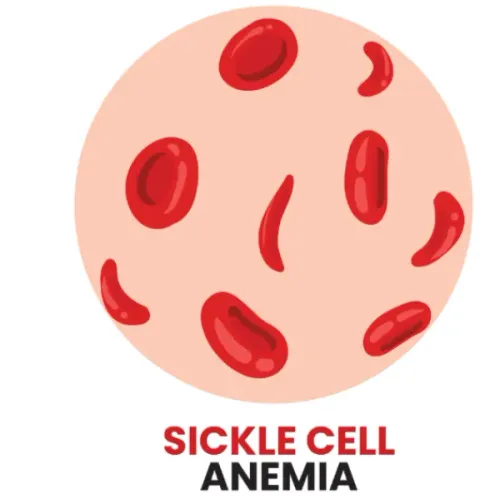

A transplant is not the automatic treatment for every child with a serious blood disorder. Families need a specialist to identify the diagnosis and risk level, compare non-transplant options with transplantation, find the safest available graft, and prepare for months of monitoring. By the end, you will know which decisions the specialist makes before, during and after treatment and what questions to ask.
Key takeaways
- Transplant is considered when expected benefits outweigh graft failure and treatment risks.
- Diagnosis confirmation may include blood tests, molecular studies, and bone marrow biopsy.
- Donor choice depends on disease, HLA matching, and the child’s treatment plan.
- Families need a discharge plan for infection precautions, medicines, and long-term follow-up.
How the specialist decides whether a transplant is needed
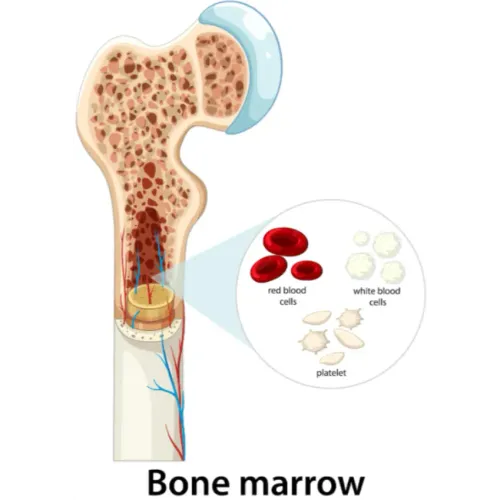
A transplant is recommended only when its expected benefit exceeds the risks of graft failure, graft-versus-host disease, infection, organ injury and late effects. A paediatric transplant specialist first establishes diagnosis confirmation through blood tests, genetic or molecular studies, and bone marrow aspiration and biopsy.
The team reviews measurable residual disease, disease risk grouping, response to chemotherapy, age, overall health, nutrition and infection status. Heart, lung, kidney and liver tests show whether the child can tolerate conditioning treatment.
| Treatment path | What it involves | When it applies |
|---|---|---|
| Allogeneic HSCT | Donor stem cells replace diseased or failing marrow after conditioning | High-risk or relapsed leukaemia, severe aplastic anaemia, inherited marrow-failure syndromes, selected immune deficiencies and haemoglobin disorders |
| Non-transplant cancer treatment | Chemotherapy, immunotherapy or targeted medicine | Standard-risk acute lymphoblastic leukaemia responding well to chemotherapy, or disease with an effective established drug plan |
| CAR-T-cell therapy | Genetically modified immune cells attack particular cancer cells | Selected children with B-cell acute lymphoblastic leukaemia; some later need allogeneic HSCT |
| Medical or supportive treatment | Transfusions, enzyme replacement, factor replacement or observation | Conditions where transplant risk exceeds benefit or another treatment controls the disorder |
A child with uncontrolled infection, severe organ impairment or poor disease response may need stabilisation or another treatment before HSCT. For sickle-cell disease and other non-malignant disorders, age, organ damage, donor availability and newer medicines change the balance. The specialist also discusses fertility, growth and long-term health before an urgent decision.
How doctors choose the transplant type, donor and graft
The key split is whether the graft comes from the child or another person. An autologous transplant returns the child’s own previously collected stem cells after intensive treatment; it avoids donor rejection and graft-versus-host disease, but it does not provide donor immune cells to attack residual cancer.
An allogeneic transplant uses another person’s cells, creating graft-versus-leukaemia effects but adding risks such as graft-versus-host disease, graft failure and rejection.
| Transplant type | Cell source | Main reason to choose it | Main trade-off |
|---|---|---|---|
| Autologous transplant | Child’s own stem cells | Supports intensive treatment when the collected cells are suitable | Does not replace diseased marrow or provide a donor immune effect |
| Allogeneic transplant | Donor stem cells | Replaces defective marrow and can provide an anti-cancer immune effect | Requires donor matching and carries graft-versus-host disease and rejection risks |
HLA typing compares inherited tissue markers between the child and potential donors; it is more important than blood-group matching for donor selection. A fully matched brother or sister is a matched sibling donor, but the search can also include a matched unrelated donor, a haploidentical parent, or umbilical-cord blood.
The choice depends on HLA compatibility, urgency, diagnosis, the child’s size and centre experience.
The graft itself can come from bone marrow, mobilised peripheral blood or cord blood. Peripheral-blood grafts often provide a larger cell dose and faster engraftment but can increase graft-versus-host disease; cord blood expands access when an adult donor is unavailable but offers a limited cell dose.
The team weighs these differences against graft failure, infection and disease-control risks.
What happens from stem-cell collection to discharge
Stem-cell collection depends on the graft source. For peripheral blood, the donor receives medicines that move stem cells into the bloodstream, followed by apheresis through a vein. A bone-marrow harvest uses a needle under anaesthesia; cord blood arrives already collected and tested. The child may need transfusions or observation afterward.
Before infusion, conditioning chemotherapy, sometimes with radiation, suppresses the child’s marrow and immune system. This creates space for donor cells and reduces remaining malignant cells, but it can cause nausea, mouth sores, hair loss, fatigue and low blood counts.
The transplant itself is not surgery. The team gives the thawed graft by central line infusion, similar to a blood transfusion, while checking temperature, blood pressure, breathing and allergic reactions.
During the initial hospital stay, expect daily blood tests, antimicrobial medicines, nutrition support, platelet or red-cell transfusions, and strict infection precautions. The key early milestone is neutrophil engraftment: donor cells begin producing infection-fighting neutrophils, commonly tracked as an absolute neutrophil count of at least 500 cells per microlitre on consecutive days.
Discharge comes when the child is clinically stable, fever-free, able to take essential medicines and fluids, and has a safe caregiver and follow-up plan. Blood counts may still be low, so families continue line care, temperature checks, medication schedules and frequent outpatient reviews. Re-admission remains possible for fever, infection, bleeding or graft-related problems.
Which complications require close transplant-team management
The complications needing close transplant-team management include infection, graft-versus-host disease, graft failure and relapse. Neutropenia removes much of the child’s defence against bacteria and fungi, while immunosuppressive medicines raise the risk further.
| Complication | Warning signs | How specialists monitor and respond |
|---|---|---|
| Graft-versus-host disease | New rash, persistent diarrhoea, abdominal pain, jaundice or worsening dry eyes | Examine skin and gut; check liver tests; adjust immunosuppression and investigate promptly |
| Infection during neutropenia | Temperature of 38°C or higher, chills, breathing difficulty, confusion or unusual sleepiness | Check blood cultures and organ function; start urgent antimicrobial treatment |
| Mucositis | Painful mouth ulcers, inability to drink, drooling or reduced urine | Inspect the mouth, control pain, provide fluids and nutrition, and prevent bloodstream infection |
| Graft failure | Blood counts remain low or fall after initial recovery, with bruising, bleeding or recurrent fever | Track complete blood counts, marrow examinations and donor chimerism; consider rescue treatment |
| Relapse | New symptoms, falling counts or disease-specific abnormal results | Use marrow testing, flow cytometry, cytogenetics or molecular tests at scheduled intervals |
The team confirms graft function through regular complete blood counts, reticulocyte counts, marrow tests and donor-chimerism results. Persistent fever, bleeding, severe diarrhoea, a spreading rash, yellow eyes, reduced urine or difficulty breathing requires immediate contact with the transplant centre, not a wait for the next appointment.
Corticosteroids and other immunosuppressants can control graft-versus-host disease but also weaken infection surveillance. Specialists therefore balance immune suppression against graft-versus-leukaemia activity and test for relapse throughout follow-up.
How families prepare for recovery and long-term follow-up
The decision is not simply whether a child can survive transplant; it is whether the expected benefit outweighs transplant mortality, graft failure, graft-versus-host disease, relapse and late effects. The specialist explains the disease-specific gain, non-transplant alternatives and the cost of delaying treatment.
- Ask which outcome transplant is intended to achieve, how urgent it is, and what evidence shows that it is better than chemotherapy, targeted treatment, transfusions or observation for this child.
- Complete heart, lung, kidney, liver, infection and nutritional assessments before conditioning. Discuss fertility preservation before treatment whenever the child’s condition and urgency allow, and record growth, puberty, thyroid function, bone health, learning and mental health baselines.
- Build a home-care plan with the transplant centre, local paediatrician and family. Set out who handles fever, medicines, central-line problems and emergency travel, while continuing infection surveillance, prophylactic medicines and staged revaccination.
- Schedule paediatric transplant follow-up for blood counts, organ function, growth, schooling and emotional wellbeing. Chimerism monitoring measures the proportion of donor-derived blood cells; falling or mixed chimerism can signal graft instability or returning disease.
- Reassess development, endocrine health, fertility and other late effects for years, not only until discharge. Dr. Atish Bakane can help families coordinate this long-term plan alongside disease-specific transplant decisions and care closer to home.
Related services
EXPERTISE Bone marrow transplant (BMT) also called as hematopoietic stem cell transplant (HSCT) is the procedure that is used to replace the unhealthy bone... View service → |
EXPERTISE Cancer can affect all parts of the body, including the blood. Leukemia and lymphoma are types of blood cancer. View service → |
Frequently asked questions
How does a specialist decide whether a child needs a bone marrow transplant?
The specialist confirms the diagnosis with blood tests, genetic or molecular studies, and bone marrow aspiration and biopsy, then weighs expected benefit against graft failure, graft-versus-host disease, infection, organ injury, and late effects.
How are the transplant type, donor, and graft chosen?
The transplant team matches the transplant approach, donor, and graft to the child’s diagnosis, treatment needs, and donor-compatibility findings.
What happens between stem-cell collection and discharge?
The child undergoes conditioning and stem-cell infusion, followed by inpatient monitoring for engraftment, infection, organ injury, and other early complications before discharge planning begins.
Which complications need close management after a transplant?
The transplant team closely monitors for graft failure, graft-versus-host disease, infections, organ injury, and treatment-related late effects.
How do families prepare for recovery and long-term follow-up?
Families prepare by following the discharge plan, giving prescribed medicines, watching for warning signs, reducing infection exposure, attending follow-up visits, and monitoring long-term health.
Related services
Bleeding Disorders Bleeding Disorders A bleeding disorder is a condition that affects the way your blood normally clots. View service → |
Hemoglobinopathy Hemoglobinopathy Hemoglobinopathy is a group of disorders in which there is abnormal production or structure of the hemoglobin molecule. |
EXPERTISE prevent your body from fighting infections and diseases. This type of disorder makes it easier for you to catch viruses and bacterial infections. View service → |
EXPERTISE Inborn errors of metabolism are rare genetic disorders that affect the body’s metabolism. View service → |