A bone marrow transplant can sound intimidating when it is first discussed with a family. The procedure is more accurately understood as hematopoietic stem cell transplantation, a treatment in which blood-forming stem cells are used to restore or replace bone marrow function.
A Bone Marrow Transplant Expert in Nagpur may consider transplantation for selected children with certain blood cancers, bone marrow failure disorders, immune conditions, or inherited blood diseases. It is not required for every child with a hematological condition.
What Does Bone Marrow Normally Do?
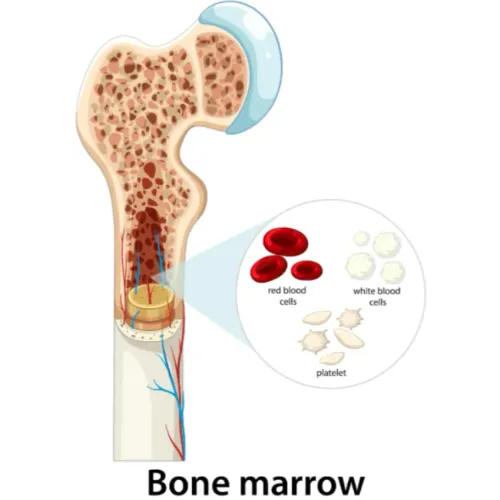
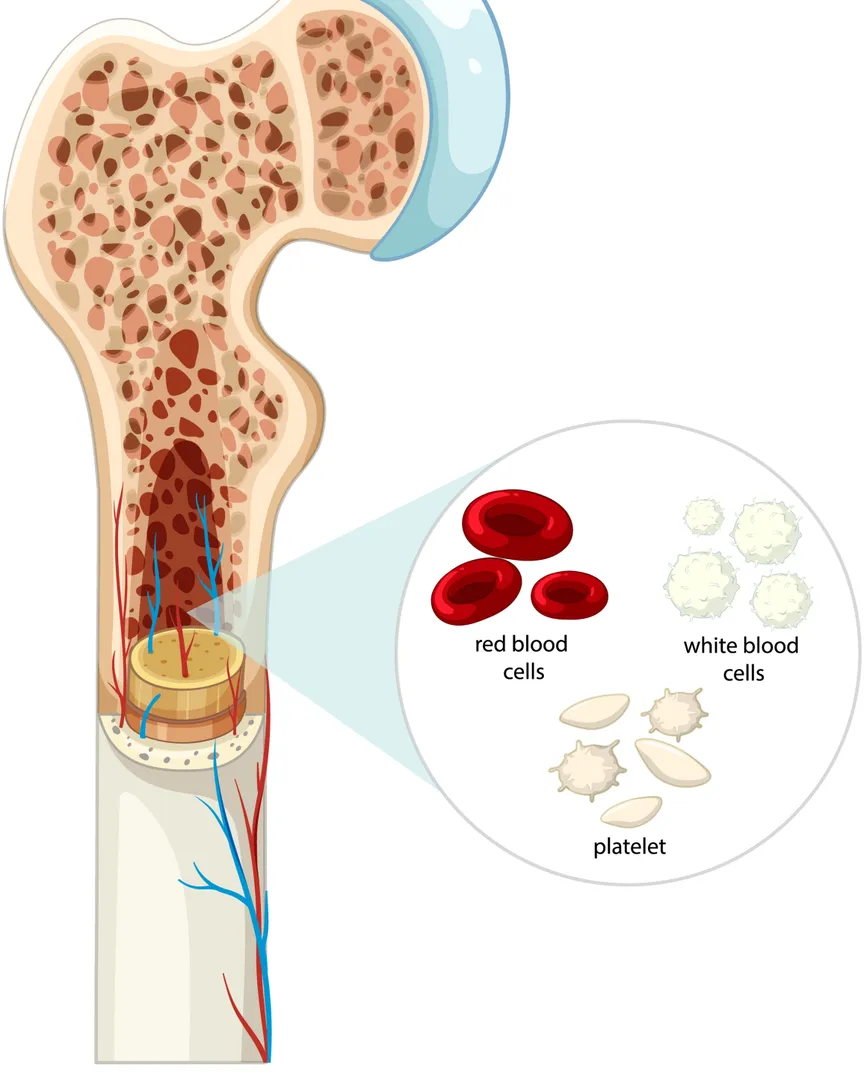
Bone marrow is the soft tissue found inside certain bones. It produces essential blood cells, including
- Red blood cells that carry oxygen
- White blood cells involved in fighting infection
- Platelets that help control bleeding
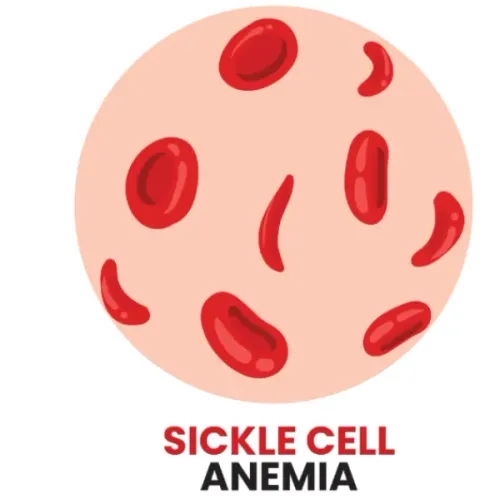
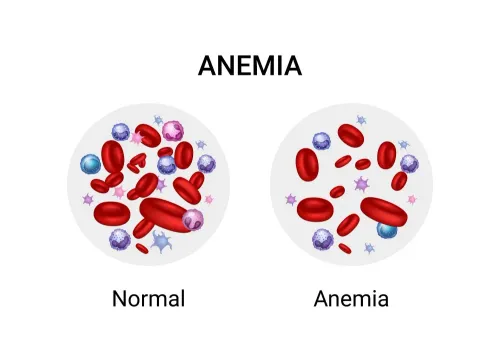
Diseases affecting the marrow can interfere with the normal production or function of these cells.
In some conditions, intensive treatment followed by healthy blood-forming stem cells can help establish functioning marrow again.
When Can Transplantation Be Considered?
The decision depends on the exact diagnosis, disease severity, response to previous treatment, donor availability, and the risks associated with transplantation.
A transplant may be evaluated in selected cases involving
- Certain high-risk or relapsed leukemias
- Severe aplastic anemia
- Some inherited blood disorders
- Selected immune deficiencies
- Other serious bone marrow diseases
The presence of one of these conditions does not automatically mean transplantation will be recommended.
Understanding Donor Matching
For an allogeneic stem cell transplant, stem cells come from another person. Human leukocyte antigen, or HLA, matching is an important part of donor selection.
Doctors may initially evaluate siblings or other potential donor sources according to the child's clinical situation. Modern transplant programs can also consider alternative donor strategies when a fully matched sibling donor is unavailable.
The suitability of any donor is determined through specialized testing and medical assessment.
What Happens Before a Pediatric BMT?
Transplantation requires detailed preparation.
The transplant team evaluates the child's underlying disease, general health, organ function, infection status, and previous treatment. Blood tests and other investigations help determine whether transplantation can proceed safely.
A conditioning regimen is generally administered before the stem cell infusion. Depending on the disease and transplant strategy, this may include chemotherapy and sometimes other treatment designed to prepare the body for the new stem cells.
The stem cells are subsequently infused through a vein. The procedure itself can resemble a blood transfusion, although the medical process surrounding it is much more complex.
What Is Engraftment?
After transplantation, doctors monitor for engraftment, which refers to the transplanted stem cells beginning to produce new blood cells.
During this period, blood counts may remain very low. The child can be particularly vulnerable to infections and bleeding and may require transfusions and other supportive treatment.
Regular blood tests help the transplant team monitor recovery.
Why Follow-Up Matters After Transplant
A successful stem cell infusion is not the end of pediatric BMT care.
Children require close observation for potential complications, including infection, organ-related effects, and graft-versus-host disease following certain allogeneic transplants. Medicines may be used to manage immune reactions, and preventive strategies are often needed while immunity recovers.
Longer-term follow-up can include monitoring growth, development, vaccination needs, endocrine function, and other aspects of childhood health.
Bone Marrow Transplant Care in Nagpur
For families in Nagpur and other parts of Maharashtra, access to pediatric hematology-oncology and transplant expertise can help them understand whether BMT is actually relevant to their child's diagnosis.
Dr. Atish Bakane's work includes pediatric hematology, oncology, and pediatric bone marrow transplantation. When transplantation is being considered, families should discuss the expected benefit, possible complications, donor options, anticipated hospital stay, follow-up requirements, and alternatives.
Bone marrow transplantation is a highly specialized treatment rather than a universal solution for blood diseases. A careful assessment of the child's diagnosis and individual risk-benefit profile remains central to deciding when transplantation is appropriate.
Keywords