
Blood disorders in children can affect growth, energy levels, immunity, and overall development. Some conditions are inherited, while others develop because of nutritional deficiencies, immune disorders, infections, or bone marrow problems. Although many childhood blood disorders are manageable, early diagnosis is essential for preventing complications.
Parents looking for Child Blood Disorder Treatment in Nagpur often begin by searching for answers after noticing symptoms that seem unusual or persistent. Understanding these conditions can help families seek medical care at the right time.
What Are Pediatric Blood Disorders?
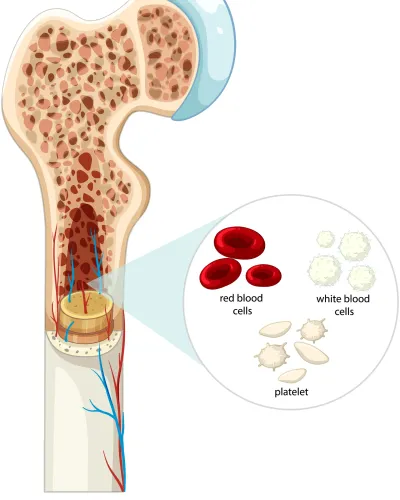
Blood disorders affect one or more components of the blood:
- Red blood cells
- White blood cells
- Platelets
- Bone marrow
Some conditions are temporary, while others require long-term medical care.
Common pediatric blood disorders include:
- Iron deficiency anemia
- Sickle cell disease
- Thalassemia
- Aplastic anemia
- Immune thrombocytopenia
- Hemophilia
- Neutropenia
- Bone marrow failure syndromes
Each condition requires a different diagnostic and treatment approach.
Symptoms Parents Should Watch For
Blood disorders often develop gradually, making symptoms easy to overlook.
Possible warning signs include:
- Constant tiredness
- Pale skin
- Poor appetite
- Delayed growth
- Frequent infections
- Easy bruising
- Nosebleeds
- Excessive bleeding from small injuries
- Swollen glands
- Bone pain
- Persistent fever
These symptoms do not always indicate a serious disorder but deserve proper medical evaluation when they continue.
Why Accurate Diagnosis Matters
Different blood disorders can produce similar symptoms.
Instead of relying solely on clinical signs, doctors use laboratory investigations to identify the underlying cause.
Common investigations include:
- Complete blood count
- Peripheral smear
- Iron studies
- Vitamin level assessment
- Coagulation profile
- Bone marrow examination
- Hemoglobin electrophoresis
- Genetic testing when indicated
The results help determine the most appropriate treatment plan.
Treatment Depends on the Condition
Management varies significantly between disorders.
Some children improve with nutritional supplementation, while others require advanced therapies.
Possible treatment options include:
- Iron therapy
- Vitamin replacement
- Blood transfusions
- Platelet transfusions
- Antibiotics
- Immunosuppressive medicines
- Growth factor therapy
- Bone marrow transplantation
- Long-term monitoring
Doctors tailor treatment according to the child's diagnosis, age, symptoms, and overall health.
The Role of Bone Marrow
Bone marrow is responsible for producing healthy blood cells.
When bone marrow does not function properly, children may develop:
- Severe anemia
- Low white blood cell counts
- Low platelet counts
- Increased infection risk
- Bleeding complications
Early identification of bone marrow disorders helps prevent serious medical complications.
Living Well with Blood Disorders
Many children continue school, sports, and daily activities with proper treatment and regular follow-up.
Parents can support their child's health by:
- Following prescribed medications
- Maintaining balanced nutrition
- Keeping vaccination schedules updated
- Attending follow-up appointments
- Reporting unusual bleeding or fever promptly
- Encouraging appropriate physical activity when medically advised
Consistent monitoring allows doctors to detect changes before complications arise.
Why Specialized Pediatric Hematology Is Important
Children have unique medical needs that differ from adults. Blood disorders can influence physical growth, immune function, and developmental milestones, making specialized pediatric care especially valuable.
Families across Nagpur and other parts of Maharashtra often seek dedicated pediatric hematology services for conditions ranging from anemia to complex bone marrow disorders. Dr. Atish Bakane provides comprehensive evaluation for childhood blood disorders using evidence-based diagnostic methods and individualized treatment planning.
Moving Forward with the Right Care
Not every episode of fatigue, bruising, or fever points to a serious illness. However, persistent or unexplained symptoms should always be assessed by a qualified pediatric hematology specialist.
Parents searching for Child Blood Disorder Treatment in Nagpur should focus on timely diagnosis, appropriate investigations, individualized treatment, and regular follow-up. With early medical attention and ongoing care, many children with blood disorders can achieve healthy growth and enjoy an active childhood.
Keywords