
When a child is diagnosed with cancer or is being evaluated for a possible cancer diagnosis, parents often find themselves making important medical decisions within a short period. One of the most significant choices is selecting the right pediatric cancer specialist and care team. While treatment plans depend on the type and stage of cancer, receiving care from a healthcare professional experienced in pediatric oncology can make a meaningful difference in diagnosis, treatment planning, and long-term follow-up.
Families searching for Pediatric Cancer Care in Nagpur often compare specialists, hospitals, treatment facilities, and available support services. Understanding what to look for can help parents make informed decisions while ensuring that their child receives comprehensive and age-appropriate care.
Why Pediatric Cancer Care Is Different
Childhood cancers differ from adult cancers in many ways. The types of cancer, treatment protocols, medication dosages, and long-term follow-up requirements are specifically designed for growing children.
Pediatric cancer care focuses not only on treating the disease but also on protecting a child's:
- Physical growth
- Brain development
- Nutritional health
- Emotional well-being
- School and social development
- Long-term quality of life
This is why children with cancer benefit from specialists trained specifically in pediatric hematology and oncology.
What Does a Pediatric Cancer Specialist Treat?
Pediatric oncologists diagnose and manage a wide range of childhood cancers, including:
- Leukemia
- Lymphoma
- Brain tumors
- Neuroblastoma
- Wilms tumor
- Bone cancers
- Soft tissue sarcomas
- Retinoblastoma
- Rare childhood cancers
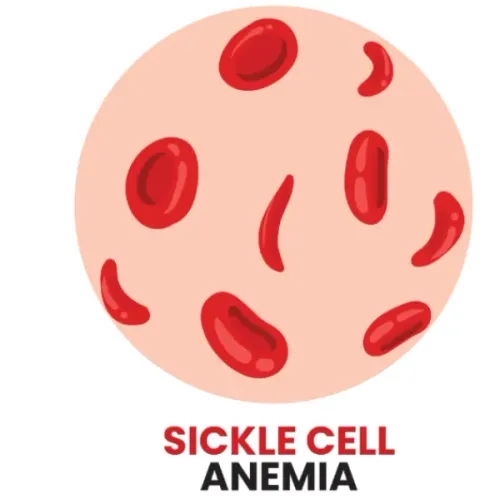
Many specialists also manage blood disorders that require advanced hematology expertise, making coordinated care possible when conditions overlap.
Factors to Consider When Choosing a Specialist
Every family's priorities may be different, but several important factors should be considered before beginning treatment.
Specialized Pediatric Training
Children require treatment protocols that differ significantly from those used in adults. Choosing a doctor with dedicated training in pediatric hematology and oncology ensures that care is based on current pediatric guidelines.
Experience with Similar Conditions
Parents may wish to ask whether the specialist regularly manages the specific type of cancer diagnosed in their child. Experience with similar cases helps guide treatment planning and long-term monitoring.
Multidisciplinary Team Approach
Modern pediatric cancer care involves collaboration among multiple healthcare professionals.
The care team may include:
- Pediatric hematologist-oncologists
- Pediatric surgeons
- Radiation oncologists
- Pathologists
- Radiologists
- Pediatric nurses
- Nutritionists
- Physiotherapists
- Psychologists
- Infection control specialists
Working together allows treatment decisions to be tailored to the child's individual needs.
Questions Parents Should Ask During the First Consultation
Preparing questions before the first appointment can help families better understand the diagnosis and treatment plan.
Useful questions include:
- What type of cancer has been diagnosed?
- Are additional tests required?
- What treatment options are available?
- How long is treatment expected to continue?
- What side effects may occur?
- Will my child need surgery, chemotherapy, or other therapies?
- How often will follow-up visits be required?
- What precautions should be taken at home?
Clear communication helps parents participate confidently in treatment decisions.
The Importance of Supportive Care
Cancer treatment extends beyond medicines and medical procedures. Supportive care helps children maintain strength and comfort throughout treatment.
Supportive care may include:
- Nutritional counselling
- Pain management
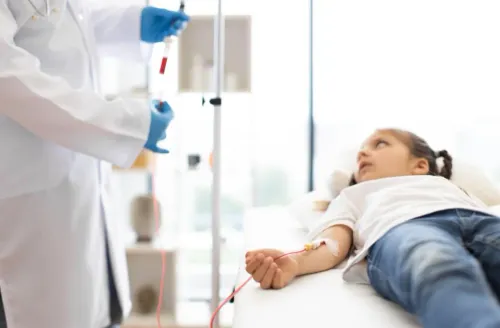
- Blood transfusions when needed
- Infection prevention
- Emotional and psychological support
- Physical rehabilitation
- Educational guidance for returning to school
This holistic approach supports both the child and the family during treatment.
Looking Beyond Medical Treatment
Parents often focus on immediate treatment, but long-term follow-up is equally important. After successful treatment, children continue to benefit from regular medical reviews that monitor:
- Growth and development
- Heart and lung health
- Hormonal function
- Learning and school performance
- Vaccination status
- Late effects of therapy
Structured follow-up helps identify concerns early and supports healthy development into adolescence and adulthood.
Why Communication Matters
Choosing a specialist is not only about qualifications and experience. Families should also feel comfortable asking questions, discussing concerns, and understanding every stage of treatment.
Good communication helps parents:
- Understand medical reports
- Follow medication schedules correctly
- Recognize symptoms that require urgent attention
- Make informed decisions throughout treatment
- Feel supported during challenging situations
A collaborative relationship between families and healthcare providers contributes to better continuity of care.
Pediatric Cancer Care in Nagpur
Access to specialized pediatric oncology services within Nagpur allows many families to receive advanced evaluation and treatment closer to home while maintaining regular follow-up appointments. Coordinated care involving experienced specialists, modern diagnostic facilities, and comprehensive supportive services helps children receive individualized treatment based on their specific diagnosis.
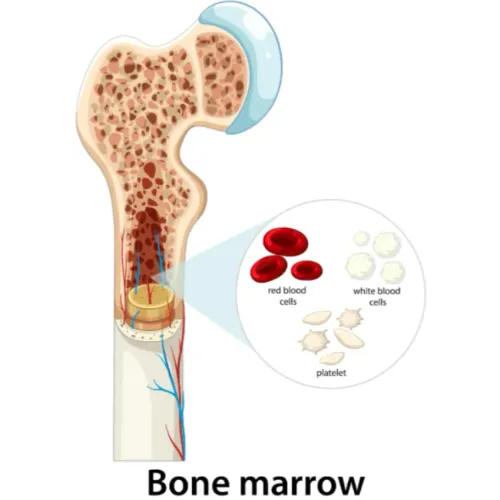
Dr. Atish Bakane provides specialized pediatric hematology and oncology care for children with leukemia, lymphoma, bone marrow disorders, and other childhood cancers. Every treatment plan is developed after careful clinical assessment and follows evidence-based pediatric oncology protocols while ensuring that families remain informed throughout the treatment journey.
Making an Informed Decision
Choosing the right pediatric cancer specialist is one of the most important decisions parents can make after a child's diagnosis. While every child's medical needs are unique, selecting a healthcare team with pediatric expertise, multidisciplinary support, and a commitment to ongoing communication provides a strong foundation for treatment.
Families looking for Pediatric Cancer Care in Nagpur should consider experience, coordinated medical services, long-term follow-up, and family-centred care rather than relying solely on convenience. With early diagnosis, individualized treatment, and continued support, many children can successfully navigate treatment while maintaining healthy growth and development.
Keywords