
Leukemia is the most common type of childhood cancer, but many of its early symptoms can resemble routine childhood illnesses. Because of this, parents may initially attribute fatigue, fever, or bruising to common infections or minor injuries. While these symptoms are often harmless, persistent or unusual changes should not be overlooked. Recognizing when specialist evaluation is appropriate can help ensure timely diagnosis and treatment.
Parents searching for Leukemia Treatment for Kids in Nagpur are often looking for clarity after abnormal blood test results, repeated illnesses, or a referral from their pediatrician. Understanding the warning signs and knowing what to expect during specialist evaluation can make the process less stressful and help families prepare for the next steps.
What Is Leukemia?
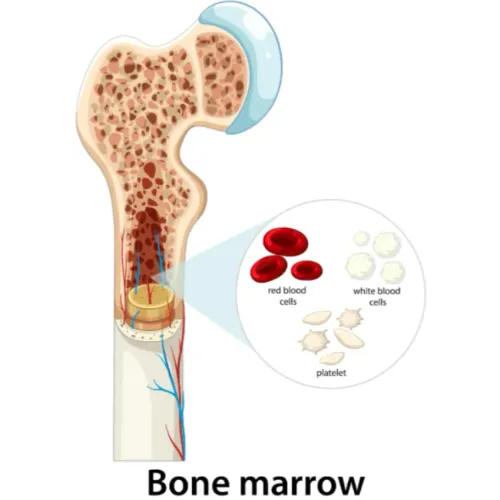
Leukemia is a cancer that begins in the bone marrow, the tissue responsible for producing blood cells. Instead of producing healthy blood cells, the bone marrow starts making abnormal white blood cells that interfere with the normal production of red blood cells, healthy white blood cells, and platelets.
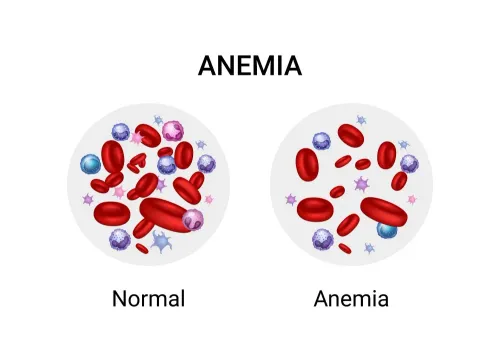
As these abnormal cells increase, children may develop symptoms related to anemia, reduced immunity, and problems with blood clotting.
The two most common forms seen in children are:
- Acute Lymphoblastic Leukemia (ALL)
- Acute Myeloid Leukemia (AML)
Each type requires specialized diagnosis and treatment based on internationally accepted pediatric oncology protocols.
Signs That Should Prompt Specialist Consultation
Many childhood illnesses involve fever and tiredness, but certain symptoms deserve further investigation when they continue or recur.
Parents should consider consulting a pediatric hematology and oncology specialist if their child experiences:
- Fever lasting longer than expected without a clear cause
- Frequent infections
- Persistent fatigue or unusual weakness
- Pale skin
- Easy bruising or unexplained bleeding
- Recurrent nosebleeds
- Bone or joint pain
- Swollen lymph nodes
- Abdominal swelling
- Unexplained weight loss
- Reduced appetite over several weeks
Having one or more of these symptoms does not necessarily mean a child has leukemia. However, persistent symptoms should always be medically evaluated.
When Blood Tests Show Abnormal Results
In many cases, leukemia is suspected after routine blood investigations reveal abnormalities.
Parents may be referred to a specialist if blood tests show:
- Very high or very low white blood cell counts
- Low hemoglobin levels
- Reduced platelet counts
- Presence of abnormal cells
- Unexplained abnormalities affecting multiple blood cell types
A pediatric hematologist-oncologist performs additional investigations to determine the exact cause of these findings.
What Happens During the First Specialist Visit?
The first consultation focuses on understanding the child's complete medical history and performing a detailed physical examination.
Parents may be asked about:
- Duration of symptoms
- Previous illnesses
- Family medical history
- Recent infections
- Current medications
- Growth and development
- Previous laboratory reports
Bringing earlier blood test reports, imaging studies, and referral documents helps avoid unnecessary repetition of investigations.
Tests That Help Confirm the Diagnosis
If leukemia is suspected, the specialist recommends investigations to confirm the diagnosis and determine the specific subtype.
These may include:
- Complete Blood Count (CBC)
- Peripheral blood smear
- Bone marrow aspiration and biopsy
- Flow cytometry
- Cytogenetic studies
- Molecular testing
- Lumbar puncture when clinically indicated
- Imaging studies in selected situations
These tests provide important information that guides treatment planning.
Why Early Referral Matters
Parents sometimes hesitate before consulting a specialist because they hope symptoms will improve on their own. While many children ultimately have conditions other than leukemia, timely referral provides several advantages.
Early evaluation helps:
- Reach an accurate diagnosis sooner
- Begin appropriate treatment without unnecessary delay
- Reduce complications related to low blood counts
- Improve monitoring during treatment
- Provide families with clear medical guidance
Prompt assessment allows doctors to identify the underlying condition and recommend the most suitable treatment.
Questions Parents Can Ask During the Consultation
Being prepared with questions can help families better understand their child's condition.
Some useful questions include:
- What additional tests are required?
- What type of leukemia is suspected?
- How long will diagnosis take?
- What treatment options are available?
- Will hospitalization be necessary?
- What side effects should we expect?
- Can my child continue school during treatment?
- What precautions should we follow at home?
Open discussions with the healthcare team help parents participate confidently in treatment decisions.
Comprehensive Care Beyond Treatment
Leukemia treatment involves much more than chemotherapy alone. Children often require supportive care throughout the treatment process.
This may include:
- Blood transfusions
- Platelet transfusions
- Infection management
- Nutritional counselling
- Pain relief
- Psychological support
- Growth and developmental monitoring
- Long-term follow-up after treatment
Comprehensive care helps children maintain their health while reducing treatment-related complications.
Specialized Pediatric Leukemia Care in Nagpur
Children diagnosed with leukemia benefit from treatment provided by specialists experienced in pediatric hematology and oncology. Access to coordinated care close to home allows families to attend regular follow-up appointments while receiving individualized treatment based on current clinical guidelines.
Dr. Atish Bakane provides specialized evaluation and management for children with leukemia, lymphoma, bone marrow disorders, and other pediatric blood diseases. Every child receives a detailed assessment, and treatment decisions are based on the diagnosis, overall health, and established evidence-based protocols.
Taking the Next Step with Confidence
Persistent symptoms, abnormal blood tests, or repeated infections should never be ignored, especially when they continue despite routine treatment. Although many children referred for evaluation do not ultimately have leukemia, specialist assessment provides clarity and ensures that serious conditions are identified as early as possible.
Parents looking for Leukemia Treatment for Kids in Nagpur should seek timely consultation whenever concerns arise. Early diagnosis, personalized treatment planning, and ongoing follow-up remain the cornerstones of effective pediatric leukemia care, giving children the best opportunity for healthy growth and long-term well-being.
Keywords