
Cancer is not the most common explanation for persistent fever, fatigue, swollen glands, or body pain in children. Most childhood symptoms have less serious causes. Nevertheless, when symptoms persist, recur, or appear together with unusual examination findings or abnormal blood reports, further medical evaluation may be necessary.
Understanding what a Child Cancer Specialist in Nagpur looks for can help parents approach this process with better information rather than relying on online symptom lists.
Persistent Symptoms Deserve Context
Children frequently experience infections, fever, minor injuries, and changes in appetite. The important question is often not whether a symptom has occurred, but how long it has lasted, whether it is worsening, and what other findings accompany it.
Medical assessment may be appropriate for symptoms such as
- Persistent unexplained fever
- Increasing paleness
- Unusual bruising or bleeding
- Repeated infections
- Unexplained weight loss
- Persistent bone or joint pain
- Enlarged lymph nodes
- Abdominal swelling
- Severe or persistent fatigue
- Unexplained changes in blood counts
No individual symptom proves that a child has cancer. Evaluation is intended to determine the cause.
What Happens During the Initial Assessment?
A pediatric cancer evaluation generally begins with detailed history-taking.
The specialist may ask when symptoms started, whether they are continuous or intermittent, whether the child has recently experienced an infection, what medicines have been used, and whether similar health problems occur in the family.
A physical examination may assess lymph nodes, skin changes, pallor, bruising, the abdomen, and other findings relevant to the symptoms.
Previous laboratory reports are also important. Comparing older and newer blood counts can reveal whether an abnormality is temporary, stable, or progressively changing.
Blood Tests Can Provide Important Clues
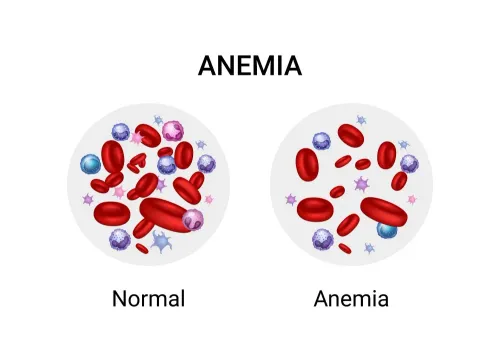
A complete blood count is commonly used when investigating unexplained symptoms involving pallor, fever, bleeding, or recurrent infections.
It measures red blood cells, white blood cells, hemoglobin, and platelets. However, an abnormal CBC alone cannot diagnose every blood disorder or cancer.
Doctors interpret the results in combination with symptoms and examination findings.
A peripheral blood smear may sometimes provide additional information about the appearance and maturity of blood cells. Further investigations are then selected according to what the initial evaluation shows.
When Are More Specialized Tests Needed?
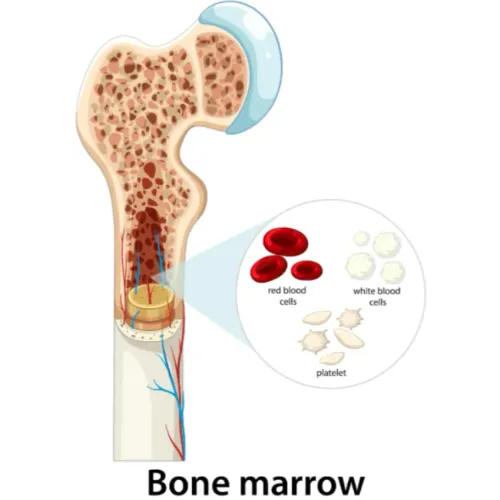
If initial findings suggest a bone marrow disorder or leukemia, additional diagnostic procedures may be recommended.
Depending on the suspected condition, these can include bone marrow aspiration or biopsy, flow cytometry, cytogenetic or molecular investigations, and imaging studies.
These tests help doctors identify the precise disease and, where relevant, its biological characteristics. This information can influence treatment planning.
Parents should ask why a particular investigation is being recommended and what information it is expected to provide.
Childhood Cancer Treatment Is Diagnosis-Specific
The term childhood cancer covers multiple diseases. Treatment therefore differs considerably from one diagnosis to another.
A child with leukemia may require a treatment pathway involving several phases of chemotherapy. Another pediatric cancer may require surgery, chemotherapy, radiotherapy, or a combination of approaches. Certain high-risk or recurrent blood cancers may lead doctors to evaluate whether stem cell transplantation is appropriate.
Supportive treatment is also important. Children undergoing cancer therapy may need monitoring for infection, blood product support, nutritional assessment, management of treatment-related symptoms, and regular evaluation of organ function.
Getting Specialist Care in Nagpur
Families often face significant uncertainty when a child's blood reports or symptoms are concerning. Clear communication is particularly important during this stage.
Dr. Atish Bakane works in pediatric hematology and oncology in Nagpur, providing evaluation and treatment planning for children with suspected or diagnosed blood disorders and cancers.
Parents attending a consultation can bring previous blood reports, imaging, pathology findings, prescriptions, discharge summaries, and a list of current medicines. Keeping these records organized can make it easier for the specialist to understand what has already been investigated.
The goal of evaluation is to move from uncertain symptoms toward a specific diagnosis. Rather than assuming that persistent symptoms represent cancer, families can seek appropriate medical assessment so that necessary investigations are performed in a logical and child-focused manner.
Keywords