
Blood disorders in children can range from mild conditions that require periodic monitoring to complex illnesses needing specialized medical treatment. Because many blood disorders share symptoms with common childhood illnesses, parents may not immediately recognize when expert evaluation is necessary. Understanding the role of pediatric hematology can help families seek timely care and avoid delays in diagnosis.
Parents searching for Child Blood Disorder Treatment in Nagpur are often concerned about symptoms such as persistent anemia, frequent infections, unusual bruising, prolonged bleeding, or abnormal blood test results. These signs do not always indicate a serious illness, but they should be carefully assessed to identify the underlying cause and determine the most appropriate treatment.
What Are Blood Disorders in Children?
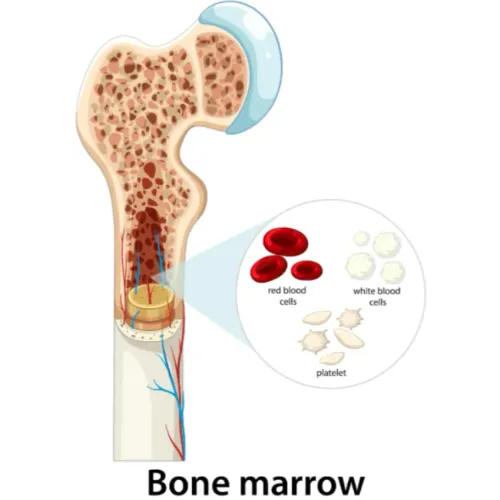
Blood disorders affect one or more components of the blood, including:
- Red blood cells, which carry oxygen throughout the body
- White blood cells, which help fight infections
- Platelets, which assist in blood clotting
- Bone marrow, where blood cells are produced
Some blood disorders are inherited, while others develop during childhood due to immune conditions, infections, nutritional deficiencies, or bone marrow diseases. Each condition requires an individualized approach to diagnosis and treatment.
Common Blood Disorders Seen in Children
Pediatric hematologists diagnose and manage a wide range of blood-related conditions.
Some of the more common disorders include:
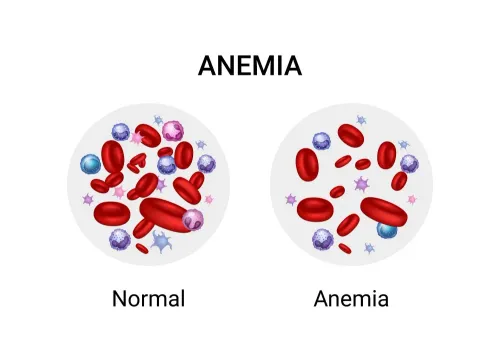
- Iron deficiency anemia
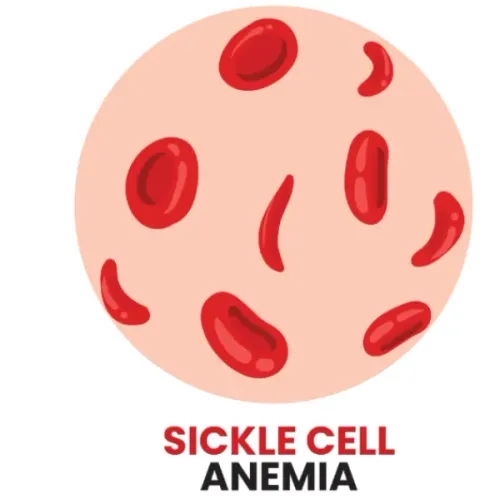
- Sickle cell disease
- Thalassemia
- Aplastic anemia
- Hemophilia
- Immune thrombocytopenia (ITP)
- Neutropenia
- Leukemia
- Bone marrow failure syndromes
- Bleeding and clotting disorders
Some conditions are temporary and improve with treatment, while others require long-term follow-up.
Symptoms That May Indicate a Blood Disorder
Because blood disorders affect different types of blood cells, symptoms vary depending on the condition.
Parents should seek medical evaluation if a child experiences:
- Persistent fatigue
- Pale skin
- Frequent infections
- Recurrent fever
- Easy bruising
- Frequent nosebleeds
- Bleeding gums
- Tiny red or purple spots on the skin
- Swollen lymph nodes
- Bone pain
- Poor weight gain
- Delayed growth
These symptoms are not specific to blood disorders alone, but persistent or recurring complaints should always be investigated.
How Blood Disorders Are Diagnosed
The first step involves understanding the child's medical history, family history, and current symptoms. A thorough physical examination helps identify additional clinical findings that guide further investigations.
Diagnostic tests may include:
- Complete Blood Count (CBC)
- Peripheral blood smear
- Iron studies
- Vitamin B12 and folate levels
- Coagulation profile
- Reticulocyte count
- Hemoglobin electrophoresis
- Bone marrow aspiration and biopsy when indicated
- Genetic testing for inherited blood disorders
- Specialized immunological investigations in selected cases
Not every child requires all of these tests. The investigations are selected according to the suspected diagnosis.
Treatment Depends on the Underlying Cause
Blood disorders are not treated with a single approach. Management depends entirely on the diagnosis, severity of the condition, the child's age, and overall health.
Treatment may involve:
Nutritional Therapy
Children with nutritional anemia may require iron, folic acid, vitamin B12, or other supplements alongside dietary improvements.
Medications
Certain immune-related blood disorders respond to medicines that help regulate the immune system or stimulate blood cell production.
Blood Transfusions
Some children with severe anemia or inherited blood disorders benefit from carefully monitored blood transfusions.
Specialized Therapies
Complex conditions such as leukemia, bone marrow failure syndromes, or severe aplastic anemia may require chemotherapy, immunotherapy, or bone marrow transplantation depending on the diagnosis.
Long-Term Monitoring
Some inherited blood disorders require lifelong follow-up to monitor growth, organ function, and treatment response while reducing the risk of complications.
Why Specialized Pediatric Hematology Matters
Children are not simply small adults. Blood disorders often behave differently in children, and treatment must consider their growth, development, nutrition, and emotional well-being.
A pediatric hematology specialist provides:
- Accurate diagnosis using child-specific protocols
- Individualized treatment planning
- Regular monitoring of blood counts
- Prevention and management of complications
- Guidance on nutrition and vaccinations
- Family education about long-term care
- Coordination with other pediatric specialists when needed
This multidisciplinary approach helps ensure comprehensive care throughout childhood.
Supporting Your Child at Home
Parents play an important role in helping children manage blood disorders successfully.
Practical measures include:
- Following prescribed medications consistently
- Maintaining a balanced and nutritious diet
- Encouraging adequate hydration
- Keeping vaccination schedules up to date
- Attending routine follow-up appointments
- Monitoring for fever, unusual bleeding, or worsening symptoms
- Informing the treating doctor about any new health concerns promptly
Creating a supportive home environment also helps children cope emotionally with ongoing medical care.
When Should You Consult a Pediatric Hematologist?
Parents should consider specialist evaluation if:
- Blood test results remain abnormal without a clear explanation.
- A child has persistent anemia despite treatment.
- There are repeated infections or unexplained fever.
- Bruising or bleeding occurs frequently.
- There is a family history of inherited blood disorders.
- A pediatrician recommends further hematology evaluation.
Timely referral often allows earlier diagnosis and more effective treatment.
Specialized Child Blood Disorder Care in Nagpur
Children with blood disorders benefit from coordinated care involving pediatric hematologists, pediatricians, laboratory specialists, nutritionists, and other healthcare professionals. This collaborative approach supports accurate diagnosis, evidence-based treatment, and regular follow-up throughout childhood.
Dr. Atish Bakane provides specialized care for children with anemia, inherited blood disorders, bone marrow diseases, bleeding disorders, leukemia, and other pediatric hematological conditions. Every child receives a comprehensive evaluation and a treatment plan tailored to their specific diagnosis and medical needs.
Helping Children Lead Healthy Lives
Many childhood blood disorders can be effectively managed when diagnosed early and monitored regularly. Advances in pediatric hematology have improved treatment options, allowing many children to participate in school, sports, and everyday activities while receiving appropriate medical care.
Parents looking for Child Blood Disorder Treatment in Nagpur should not ignore persistent symptoms or abnormal blood test findings. Early consultation with a pediatric hematology specialist helps identify the underlying condition, guide appropriate treatment, and provide long-term support that promotes healthy growth and development.
Keywords