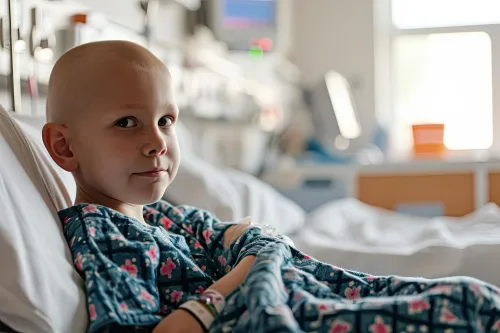

A diagnosis of blood cancer in a child can leave parents with many questions and concerns. While the news can be overwhelming, it is important to know that significant advances in pediatric oncology have improved the diagnosis and treatment of many childhood blood cancers. With timely medical care, individualized treatment plans, and regular follow-up, many children go on to achieve positive outcomes and return to their normal routines.
When families begin searching for Child Blood Cancer Treatment in Nagpur, they are often looking for clear information about symptoms, treatment options, and the kind of care their child may need. Understanding the treatment journey can help parents feel more prepared and actively participate in decisions regarding their child's health.
What Is Blood Cancer in Children?
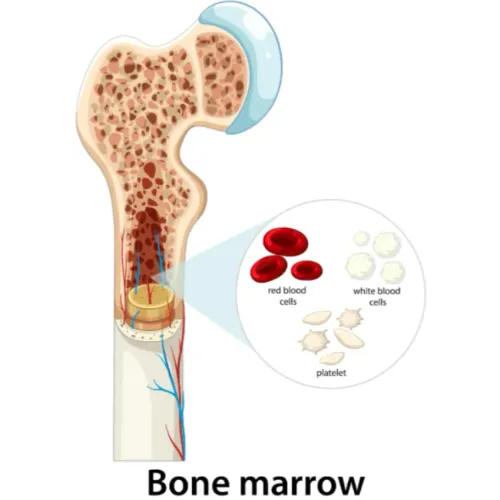
Blood cancer affects the cells that form blood and the bone marrow, where blood cells are produced. Unlike many adult cancers, childhood blood cancers are generally not associated with lifestyle or environmental factors. They develop because of changes within developing blood-forming cells, and the exact cause is often unknown.
The most common childhood blood cancers include:
- Acute Lymphoblastic Leukemia (ALL)
- Acute Myeloid Leukemia (AML)
- Certain types of lymphoma involving blood and lymphatic tissues
Each condition has unique characteristics, making an accurate diagnosis essential before treatment begins.
Recognizing the Early Warning Signs
The symptoms of blood cancer can resemble common childhood illnesses, which sometimes delays diagnosis. Parents should seek medical evaluation if symptoms persist or worsen despite routine treatment.
Some commonly reported symptoms include:
- Frequent or persistent fever
- Unusual tiredness or weakness
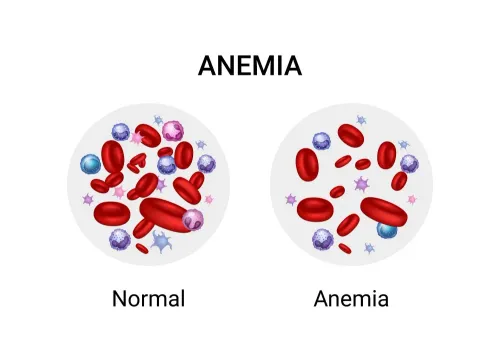
- Pale skin due to anemia
- Easy bruising or bleeding
- Recurrent infections
- Bone or joint pain
- Swollen lymph nodes
- Enlarged liver or spleen causing abdominal swelling
- Unexplained weight loss
- Reduced appetite
These symptoms do not always indicate blood cancer, but they should never be ignored when they continue for an extended period.
How Is Childhood Blood Cancer Diagnosed?
Diagnosis involves several carefully planned investigations to confirm the disease and determine its specific type.
The evaluation may include:
- Detailed medical history
- Physical examination
- Complete Blood Count (CBC)
- Peripheral blood smear
- Bone marrow aspiration and biopsy
- Flow cytometry
- Cytogenetic and molecular testing
- Imaging studies when required
- Lumbar puncture in selected cases
These investigations help specialists classify the disease accurately and develop an appropriate treatment strategy.
Treatment Options for Childhood Blood Cancer
Treatment depends on several factors, including the type of blood cancer, the child's age, disease stage, genetic findings, and overall health.
Common treatment approaches include:
Chemotherapy
Chemotherapy remains the primary treatment for many childhood leukemias. Medicines are given according to structured treatment protocols that may extend over several months or longer, depending on the diagnosis.
Targeted Therapy
Certain blood cancers have specific genetic or molecular features that allow the use of targeted medicines. These therapies work differently from traditional chemotherapy and may be recommended for selected patients.
Immunotherapy
Some children may benefit from immunotherapy, which helps the body's immune system recognize and attack cancer cells. Its use depends on the specific diagnosis and current treatment guidelines.
Bone Marrow Transplant
Children with high-risk leukemia, relapsed disease, or certain bone marrow disorders may require a bone marrow transplant. This decision is made after careful evaluation by specialists and depends on donor availability and individual clinical factors.
Supportive Care
Treatment also includes measures that help children remain as healthy and comfortable as possible during therapy.
Supportive care may involve:
- Blood transfusions
- Platelet transfusions
- Antibiotics for infections
- Nutritional support
- Pain management
- Psychological counselling
- Regular monitoring of treatment response
The Importance of a Multidisciplinary Approach
Childhood blood cancer treatment often involves a team of healthcare professionals working together. This collaborative approach ensures that every aspect of the child's health receives attention.
The care team may include:
- Pediatric hematologist-oncologists
- Pediatricians
- Oncology nurses
- Pathologists
- Radiologists
- Nutritionists
- Psychologists
- Rehabilitation specialists
- Infection control experts
Working together allows treatment plans to be adjusted according to the child's progress and individual needs.
Helping Your Child During Treatment
Parents play an essential role throughout the treatment journey. Simple daily practices can contribute to overall well-being while supporting medical care.
Helpful measures include:
- Ensuring medicines are given exactly as prescribed
- Encouraging adequate nutrition and hydration
- Maintaining good hand hygiene
- Limiting exposure to infections
- Attending every follow-up appointment
- Reporting new symptoms promptly
- Providing emotional reassurance and maintaining familiar routines whenever possible
Children often cope better when they feel supported, informed, and surrounded by trusted caregivers.
Specialized Pediatric Blood Cancer Care in Nagpur
Families in Nagpur and nearby regions increasingly seek specialized pediatric hematology and oncology services that provide comprehensive evaluation, evidence-based treatment, and coordinated long-term follow-up. Access to experienced specialists close to home can help reduce travel burdens while ensuring continuity of care throughout diagnosis and treatment.
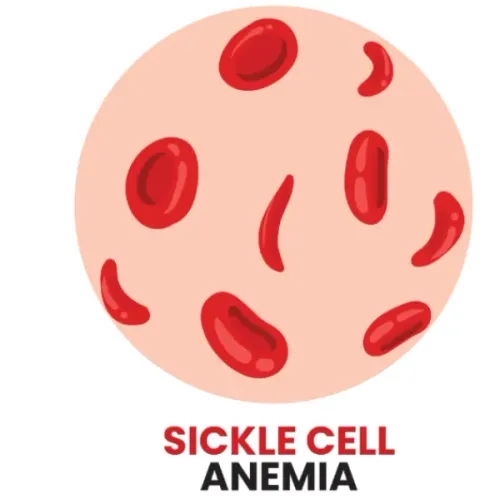
Dr. Atish Bakane provides specialized care for children with leukemia, lymphoma, anemia, bone marrow disorders, and other complex pediatric hematology and oncology conditions. The approach focuses on individualized treatment planning, careful monitoring, and family-centred communication so parents understand each stage of the treatment process.
Looking Ahead with Confidence
A diagnosis of childhood blood cancer is undoubtedly life-changing, but it is also the beginning of a carefully planned treatment journey supported by modern medical advances. Early diagnosis, appropriate treatment, regular monitoring, and close collaboration between families and healthcare professionals all contribute to better care.
Parents seeking Child Blood Cancer Treatment in Nagpur should focus on obtaining timely specialist evaluation, understanding the diagnosis thoroughly, and following the recommended treatment plan. With expert pediatric oncology care and ongoing support, many children successfully complete treatment and continue to grow, learn, and enjoy healthy, fulfilling lives.
Keywords