When a child is diagnosed with aplastic anemia, it is natural for parents to feel anxious and uncertain about what lies ahead. Because the condition is uncommon, many families have never heard of it before the diagnosis. Questions about its causes, symptoms, treatment options, and long-term outlook often arise immediately. Learning about aplastic anemia can help parents understand the condition better and work closely with their child's healthcare team throughout the treatment journey.
Families searching for Aplastic Anemia Treatment for Children in Nagpur are usually looking for trusted medical information that explains the condition in simple language. Early diagnosis, careful evaluation, and timely treatment play an important role in managing aplastic anemia and reducing the risk of serious complications.
What Is Aplastic Anemia?
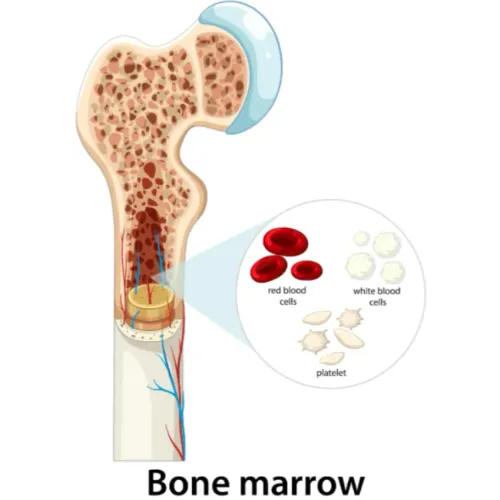
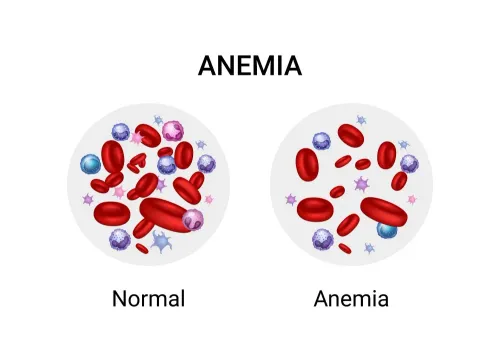
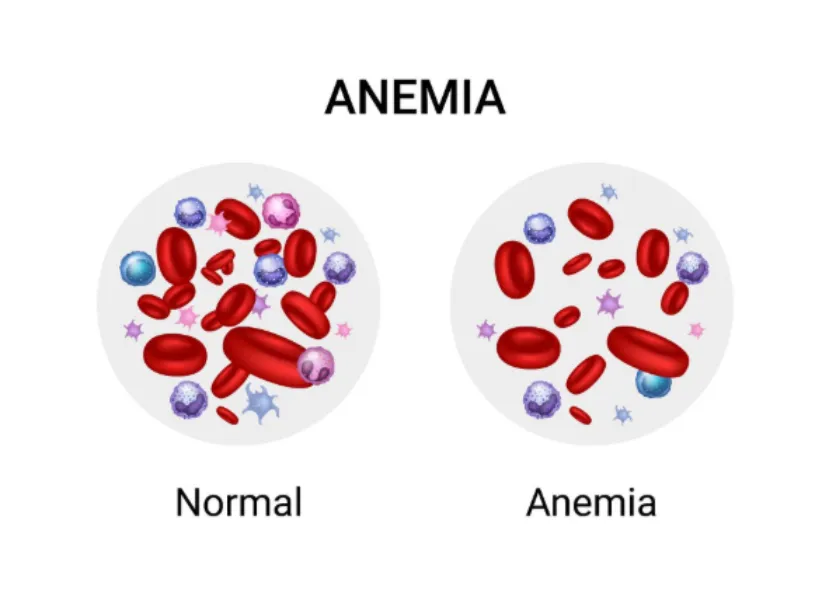
Aplastic anemia is a rare but serious blood disorder in which the bone marrow does not produce enough blood cells. Since the bone marrow is responsible for making red blood cells, white blood cells, and platelets, a reduction in all three can affect several important body functions.
A child with aplastic anemia may experience:
- Low red blood cells leading to anemia and fatigue
- Low white blood cells increasing the risk of infections
- Low platelets causing easy bruising or bleeding
The severity of the condition varies from child to child, making individualized evaluation essential.
What Causes Aplastic Anemia in Children?
In many cases, the exact cause cannot be identified. This is known as acquired aplastic anemia. However, some children may develop the condition due to inherited disorders or other underlying medical conditions.
Possible causes include:
- Autoimmune damage to bone marrow cells
- Certain viral infections
- Rare inherited bone marrow failure syndromes
- Exposure to specific medications or chemicals in uncommon situations
- Unknown causes (idiopathic aplastic anemia)
Parents should remember that aplastic anemia is generally not caused by everyday diet, routine activities, or common childhood illnesses.
Common Symptoms to Watch For
The symptoms usually develop because the body does not have enough healthy blood cells to perform normal functions.
Children may experience:
- Persistent tiredness
- Weakness
- Pale skin
- Shortness of breath during activity
- Frequent infections
- Fever
- Easy bruising
- Nosebleeds
- Bleeding gums
- Tiny red or purple spots on the skin (petechiae)
Because these symptoms can resemble other medical conditions, proper laboratory testing is necessary for diagnosis.
How Is Aplastic Anemia Diagnosed?
The diagnostic process begins with a detailed medical history and physical examination. If aplastic anemia is suspected, several investigations help confirm the diagnosis and identify the underlying cause.
These may include:
- Complete Blood Count (CBC)
- Reticulocyte count
- Peripheral blood smear
- Bone marrow aspiration and biopsy
- Viral infection screening
- Genetic testing when inherited disorders are suspected
- Additional blood tests to evaluate immune function and organ health
A bone marrow examination is one of the most important investigations because it helps determine whether the marrow is producing an adequate number of blood-forming cells.
Treatment Options for Children with Aplastic Anemia
Treatment depends on the severity of the disease, the child's age, overall health, and whether a suitable bone marrow donor is available.
Supportive Care
Supportive treatment helps manage symptoms while specialists determine the most appropriate long-term approach.
Supportive care may include:
- Blood transfusions for severe anemia
- Platelet transfusions to reduce bleeding risk
- Antibiotics for infections
- Growth factor medications in selected cases
- Nutritional support
These measures improve the child's overall condition but may not address the underlying bone marrow problem.
Immunosuppressive Therapy
When aplastic anemia is caused by the immune system attacking bone marrow cells, immunosuppressive medicines may help restore normal blood cell production. Treatment is carefully monitored through regular follow-up visits and laboratory testing.
Bone Marrow Transplant
For children with severe aplastic anemia who have a suitable donor, a bone marrow transplant may offer the best long-term treatment option. The procedure replaces damaged bone marrow with healthy stem cells capable of producing normal blood cells.
The decision to proceed with transplantation depends on several clinical factors and requires detailed evaluation by pediatric hematology specialists.
Preventing Complications During Treatment
Children with aplastic anemia may have weakened immunity and reduced platelets, making preventive care particularly important.
Parents are often advised to:
- Practice good hand hygiene
- Avoid contact with individuals who have contagious illnesses
- Monitor body temperature regularly
- Report fever immediately
- Prevent injuries that may cause bleeding
- Follow medication schedules carefully
- Attend every scheduled follow-up appointment
These precautions help reduce complications while treatment is ongoing.
Questions Parents Should Discuss with the Specialist
Understanding the treatment plan helps families participate confidently in decision-making.
Important questions include:
- How severe is my child's aplastic anemia?
- What treatment options are appropriate?
- Will blood transfusions be needed regularly?
- Is bone marrow transplantation being considered?
- What signs require urgent medical attention?
- How often will blood tests be necessary?
- Can my child continue school during treatment?
- What precautions should be followed at home?
Open communication ensures parents understand both short-term and long-term care plans.
Specialized Pediatric Hematology Care in Nagpur
Managing aplastic anemia requires close monitoring by specialists experienced in childhood blood disorders. Coordinated care allows timely adjustments to treatment based on laboratory findings and the child's overall health.
Dr. Atish Bakane provides specialized evaluation and management for children with aplastic anemia, bone marrow failure syndromes, and other complex pediatric hematological conditions. Care is tailored to each child's diagnosis, with treatment decisions based on established medical guidelines and ongoing clinical assessment.
Supporting Children Through Recovery
Living with aplastic anemia can be challenging for both children and their families, but appropriate medical care and regular follow-up can make a significant difference. Many children benefit from a combination of medical treatment, nutritional support, infection prevention, and emotional encouragement throughout their recovery.
Parents looking for Aplastic Anemia Treatment for Children in Nagpur should seek timely specialist evaluation whenever persistent anemia, frequent infections, or unusual bleeding is present. Early diagnosis and individualized treatment planning help improve outcomes while supporting a child's overall health, growth, and development over the long term.
Keywords