
When a child is diagnosed with a blood disorder or cancer, parents often encounter unfamiliar medical terms and complex treatment options. Understanding the role of pediatric hematology and oncology can make it easier to navigate this journey with confidence. Whether a child has leukemia, lymphoma, severe anemia, or another blood-related condition, specialized care plays an important role in achieving the best possible outcomes.
Families searching for Pediatric Oncology and Hematology in Nagpur are often looking for more than treatment. They want accurate diagnosis, individualized care, and a healthcare team that understands the unique needs of children.
What Does Pediatric Hematology and Oncology Cover?
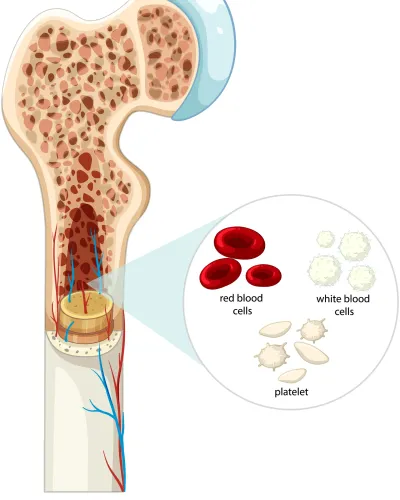
Pediatric hematology focuses on disorders affecting blood cells, bone marrow, and the clotting system. Pediatric oncology specializes in diagnosing and treating childhood cancers. Since many childhood cancers originate in the blood or bone marrow, these specialties often work closely together.
Conditions commonly managed include:
- Leukemia
- Lymphoma
- Bone marrow failure disorders
- Aplastic anemia
- Sickle cell disease
- Thalassemia
- Hemophilia
- Immune thrombocytopenia
- Neuroblastoma
- Wilms tumor
Each condition requires a tailored treatment approach based on the child’s age, diagnosis, and overall health.
How Symptoms Lead to Diagnosis
Some blood disorders and cancers develop gradually, making early symptoms easy to overlook. Persistent symptoms should always be evaluated by a pediatric specialist.
Parents should seek medical attention if a child experiences:
- Frequent or prolonged fever
- Unusual tiredness
- Pale skin
- Easy bruising
- Persistent bleeding
- Bone or joint pain
- Swollen lymph nodes
- Unexplained weight loss
- Recurrent infections
- Enlarged abdomen
These symptoms do not necessarily indicate cancer, but they do require careful assessment.
Understanding the Diagnostic Process
Diagnosis begins with a detailed medical history and physical examination. Depending on the child's symptoms, doctors may recommend:
- Complete blood count
- Blood smear examination
- Bone marrow aspiration
- Bone marrow biopsy
- Imaging studies
- Biopsy of affected tissue
- Genetic and molecular testing
These investigations help identify the exact condition and guide the treatment plan.
Individualized Treatment Plans
No two children receive exactly the same treatment. Management depends on several factors, including disease type, severity, response to therapy, and the child’s general health.
Treatment may involve:
- Chemotherapy
- Targeted therapy
- Immunotherapy
- Blood transfusions
- Platelet transfusions
- Supportive medications
- Bone marrow transplantation
- Nutritional support
Doctors also monitor growth, development, and emotional well-being throughout treatment.
Why Multidisciplinary Care Matters
Successful pediatric care involves collaboration between multiple healthcare professionals.
The care team may include:
- Pediatric hematologists
- Pediatric oncologists
- Bone marrow transplant specialists
- Pediatric surgeons
- Pathologists
- Radiologists
- Pediatric nurses
- Nutrition experts
- Psychologists
- Infection control specialists
This coordinated approach ensures every aspect of the child's health receives attention.
Supporting Children Beyond Medical Treatment
Children often need emotional reassurance as much as medical care. Maintaining familiar routines whenever possible can help reduce anxiety.
Parents can help by:
- Explaining treatments using age-appropriate language
- Encouraging balanced nutrition
- Following infection prevention advice
- Attending every scheduled follow-up
- Communicating openly with the healthcare team
Support from family members, teachers, and counselors also contributes to a child's overall well-being.
Choosing Specialized Care
When families begin comparing treatment options, experience in pediatric blood disorders and childhood cancers becomes an important consideration. Specialists trained in pediatric hematology and oncology understand the differences between treating children and adults, ensuring therapies are appropriate for a child's growing body.
Dr. Atish Bakane provides comprehensive evaluation and treatment for children with blood disorders, childhood cancers, and bone marrow-related conditions. Families in Nagpur benefit from individualized treatment plans designed around each child's specific diagnosis and long-term health needs.
Looking Ahead
Advances in pediatric medicine continue to improve outcomes for children diagnosed with blood disorders and cancer. Early diagnosis, evidence-based treatment, and consistent follow-up remain key to successful management.
Parents searching for Pediatric Oncology and Hematology in Nagpur should focus on specialists who provide comprehensive care, transparent communication, and long-term support throughout every stage of treatment.
Keywords