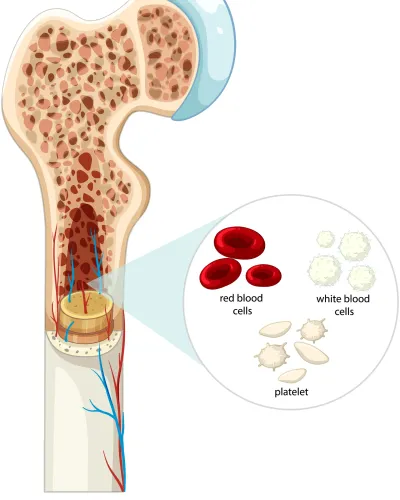
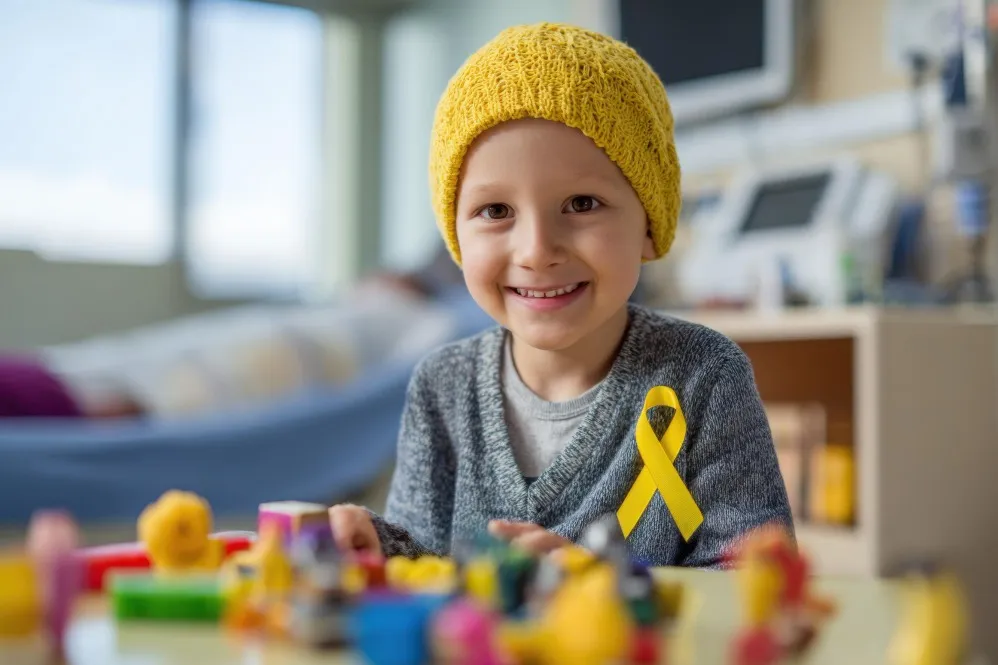
Hearing that a child may have cancer is one of the most overwhelming experiences for any family. Questions about diagnosis, treatment, recovery, and long-term health often arise all at once. While pediatric cancers are less common than adult cancers, advances in medicine have significantly improved outcomes when they are diagnosed early and managed by specialists experienced in treating children.
Parents searching for Pediatric Cancer Care in Nagpur are often looking not only for treatment but also for guidance, reassurance, and a clear understanding of what lies ahead. Knowing how pediatric cancer care works can help families make informed decisions during a difficult time.
What Makes Pediatric Cancer Different?
Children do not develop the same types of cancer that adults commonly experience. Pediatric cancers usually affect blood cells, bone marrow, lymph nodes, the brain, bones, or certain organs. They also behave differently and often respond to different treatment approaches.
Some of the more frequently diagnosed childhood cancers include:
- Leukemia
- Lymphoma
- Brain tumors
- Neuroblastoma
- Wilms tumor
- Bone cancers
- Soft tissue sarcomas
Because children's bodies are still developing, treatment plans are carefully designed to balance effective cancer control with healthy growth and development.
Early Signs Parents Should Notice
Many childhood illnesses share symptoms with pediatric cancer, making diagnosis challenging in the early stages. Persistent symptoms deserve medical evaluation, especially when they do not improve with routine treatment.
Possible warning signs include:
- Unexplained fever lasting several weeks
- Persistent fatigue
- Frequent infections
- Easy bruising or bleeding
- Pale skin
- Swollen lymph nodes
- Bone or joint pain
- Unexplained weight loss
- Persistent headaches
- Abdominal swelling
These symptoms do not automatically indicate cancer, but they should never be ignored.
The Importance of Early Diagnosis
Early diagnosis offers several advantages.
It helps doctors determine the exact type of cancer before it progresses further. Treatment can often begin sooner, reducing complications and improving overall outcomes.
The diagnostic process may include:
- Detailed medical history
- Physical examination
- Blood investigations
- Bone marrow examination
- Imaging studies
- Biopsy when required
- Genetic or molecular testing for selected cancers
Each child receives investigations based on individual clinical findings rather than a standard checklist.
How Pediatric Cancer Is Treated
Treatment depends on several factors, including:
- Type of cancer
- Stage of disease
- Child's age
- Overall health
- Response to initial therapy
Doctors may recommend one or more treatment options.
Chemotherapy
Many childhood cancers respond well to carefully planned chemotherapy protocols. Medicines are selected according to internationally accepted treatment guidelines.
Targeted Therapy
Some cancers have specific genetic characteristics that allow medicines to attack cancer cells more precisely while reducing damage to healthy tissues.
Immunotherapy
In selected cases, the body's immune system can be supported to recognize and fight cancer cells more effectively.
Radiation Therapy
Certain tumors require radiation to destroy remaining cancer cells after surgery or chemotherapy.
Bone Marrow Transplant
Children with specific blood cancers or bone marrow disorders may benefit from bone marrow transplantation after careful evaluation.
A Team Approach Makes a Difference
Successful pediatric oncology care involves more than medication.
Children often require support from multiple healthcare professionals, including:
- Pediatric hematologists
- Pediatric oncologists
- Bone marrow transplant specialists
- Pediatric surgeons
- Radiologists
- Pathologists
- Nutritionists
- Psychologists
- Infection control specialists
- Pediatric nurses
Working together allows the treatment plan to address both medical and emotional needs.
Supporting the Child Throughout Treatment
Cancer treatment affects daily routines, nutrition, school attendance, and emotional well-being.
Parents can support their child by:
- Following medication schedules carefully
- Maintaining regular follow-up appointments
- Encouraging balanced nutrition
- Reporting new symptoms promptly
- Preventing unnecessary infections
- Helping children stay emotionally connected with family and friends
Open communication between parents and the healthcare team plays an important role throughout treatment.
Why Specialized Pediatric Care Matters
Children require medical care that differs from adult oncology services. Drug doses, supportive therapies, nutritional needs, and developmental considerations all require specialized expertise.
Families looking for pediatric oncology services in Maharashtra often seek centres that focus specifically on childhood blood disorders and cancers. Dr. Atish Bakane provides specialized evaluation and treatment for children with hematological disorders, leukemia, and other pediatric cancers, helping families understand every stage of care through evidence-based management.
Looking Beyond Treatment
Many children successfully complete cancer treatment and continue to lead active, fulfilling lives. Long-term follow-up remains important because doctors monitor growth, development, organ function, and overall health after therapy ends.
Parents searching for reliable Pediatric Cancer Care in Nagpur should look for timely diagnosis, multidisciplinary expertise, individualized treatment planning, and continuous follow-up. Understanding the process helps families feel more prepared and allows children to receive care tailored to their unique medical needs.
Keywords