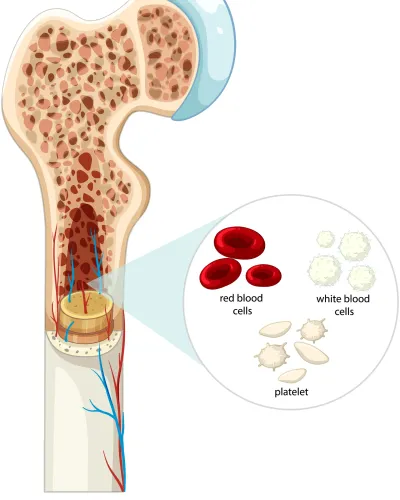

When a child requires advanced treatment for a blood disorder or cancer, choosing the right medical team becomes one of the most important decisions for parents. Pediatric bone marrow transplantation involves complex planning, specialized monitoring, and coordinated care before, during, and after the procedure.
Families searching for a Pediatric Hematology Oncology Pediatric BMT in Nagpur often want to understand what makes a specialist suitable and what factors should be considered before beginning treatment.
Understanding the Role of a Pediatric BMT Specialist
A pediatric bone marrow transplant specialist manages children who require stem cell transplantation for conditions affecting blood production, immunity, or bone marrow function.
The specialist evaluates:
- Whether transplantation is required
- The most suitable transplant approach
- Donor compatibility
- Treatment preparation
- Infection prevention strategies
- Recovery monitoring
This process requires extensive knowledge of childhood blood disorders and cancer care.
Experience with Childhood Conditions Matters
Children receiving bone marrow transplantation often have complex medical needs. Experience in pediatric conditions helps specialists understand how treatments affect:
- Growth
- Immunity
- Nutrition
- Development
- Long-term health
A specialist familiar with childhood diseases can create treatment plans that consider both immediate medical needs and future well-being.
Evaluating the Treatment Facility
Parents should consider whether the healthcare setup provides access to comprehensive transplant support.
Important facilities may include:
- Advanced diagnostic laboratories
- Blood bank support
- Infection control systems
- Intensive monitoring facilities
- Pediatric nursing expertise
- Long-term follow-up services
A coordinated healthcare environment helps manage the different stages of transplantation.
Questions Parents Can Ask
Before starting treatment, parents should feel comfortable asking:
- Why is transplant being recommended?
- Are there alternative treatment options?
- What type of transplant is suitable?
- How long will recovery take?
- What complications should families watch for?
- How often will follow-up be required?
Clear communication helps families understand expectations.
Understanding Donor Matching
Donor selection is an important part of transplantation planning.
Doctors evaluate compatibility through specialized testing. Possible donors may include:
- Siblings with matching tissue type
- Parents in certain transplant approaches
- Unrelated donors
- Cord blood donors
The transplant team selects the safest available option based on the child's condition.
Recovery After Bone Marrow Transplant
The transplant procedure is only one part of the journey. Recovery requires careful monitoring because the immune system takes time to rebuild.
Follow-up includes monitoring:
- Blood cell recovery
- Infection risk
- Organ function
- Nutrition
- Growth patterns
- Possible transplant-related complications
Regular appointments help doctors identify and manage concerns early.
Emotional Support During the Process
A transplant journey can be physically and emotionally challenging for children and families.
Parents can help by:
- Maintaining routines where possible
- Supporting healthy communication
- Helping children understand treatment
- Staying involved in care decisions
- Seeking emotional support when needed
Family involvement plays an important role throughout recovery.
Importance of Long-Term Follow-Up
Children who undergo bone marrow transplantation require continued monitoring even after successful recovery.
Follow-up helps assess:
- Physical development
- Immune function
- School participation
- Organ health
- Overall quality of life
Long-term care supports children as they return to everyday activities.
Finding Specialized Pediatric BMT Care
Bone marrow transplantation requires expertise in pediatric hematology, oncology, and transplant medicine. Families across Nagpur and nearby regions often look for specialists who can provide comprehensive guidance throughout evaluation, treatment, and recovery.
Dr. Atish Bakane specializes in pediatric hematology, oncology, and bone marrow transplantation, offering individualized assessment and treatment planning for children with complex blood disorders and cancers.
Parents considering Pediatric Hematology Oncology Pediatric BMT in Nagpur should focus on medical expertise, coordinated care, advanced facilities, and a long-term approach that supports the child's health beyond transplantation.
Keywords