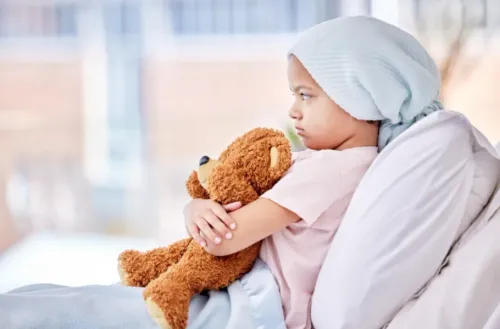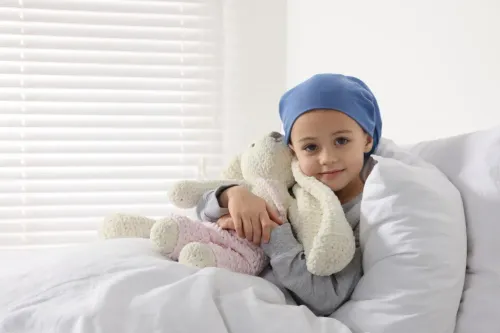

A cancer diagnosis in a child requires careful medical attention, emotional support, and a treatment approach designed specifically for children. Unlike adult cancer care, pediatric oncology focuses on the unique biology of childhood cancers, the child's growth needs, and long-term health after treatment.
Parents searching for a Child Cancer Specialist in Nagpur often want guidance on choosing appropriate care, understanding treatment options, and knowing what qualities to look for in a specialist.
Why Children Need Specialized Cancer Care
Children are not simply smaller versions of adults. Their bodies respond differently to medicines, and cancer treatment must consider ongoing physical and emotional development.
Pediatric cancer specialists focus on:
- Childhood-specific cancer types
- Age-appropriate treatment protocols
- Managing side effects
- Supporting growth and development
- Long-term health monitoring
This specialized approach helps ensure children receive care designed around their stage of life.
Conditions Managed by Pediatric Cancer Specialists
A pediatric oncology specialist may evaluate and treat various childhood cancers and related conditions, including:
- Leukemia
- Lymphoma
- Brain tumors
- Bone tumors
- Solid tumors
- Blood-related cancers
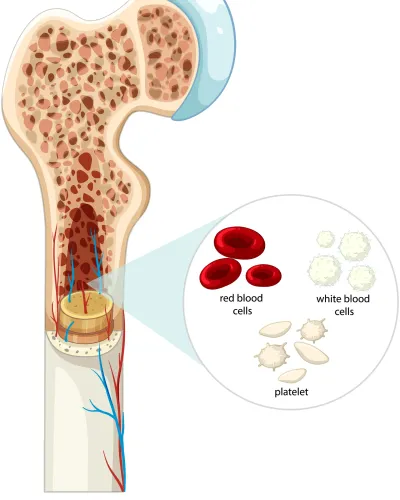
- Bone marrow disorders
Treatment depends on the exact diagnosis and medical evaluation.
Importance of Accurate Diagnosis
Before treatment begins, doctors need a complete understanding of the disease.
Diagnosis may involve:
- Blood tests
- Imaging investigations
- Biopsy procedures
- Bone marrow examination
- Genetic testing
- Molecular analysis
Accurate diagnosis helps doctors create a treatment plan based on the child's specific condition.
What Parents Should Look for in a Specialist
When selecting a pediatric cancer specialist, families should consider:
Experience in Childhood Conditions
A specialist should have experience managing cancers and blood disorders that commonly affect children.
Clear Communication
Parents should receive understandable explanations about diagnosis, treatment choices, possible risks, and follow-up plans.
Comprehensive Care Approach
Cancer treatment involves more than controlling disease. Children may need support for nutrition, immunity, emotional health, and development.
Long-Term Follow-Up Planning
Children require monitoring even after treatment ends to ensure healthy growth and identify any late effects.
Supporting Children During Cancer Treatment
Medical care is only one part of recovery. Parents can support children by:
- Maintaining familiar routines
- Encouraging education when possible
- Providing emotional reassurance
- Keeping communication open
- Following medical advice carefully
A supportive environment helps children cope with treatment challenges.
Advanced Treatment Options in Pediatric Oncology
Depending on the diagnosis, children may receive:
- Chemotherapy
- Targeted therapy
- Immunotherapy
- Supportive treatments
- Bone marrow transplantation for selected conditions
Doctors choose therapies after considering disease characteristics and the child's overall health.
The Importance of Care Close to Home
Families often prefer specialized treatment options that are accessible while maintaining quality medical care. Having follow-up services available within Nagpur can reduce travel-related challenges and help families maintain regular appointments.
Specialized pediatric hematology and oncology services provide continuous support throughout diagnosis, treatment, recovery, and follow-up.
Dr. Atish Bakane provides pediatric hematology and oncology care for children with blood disorders, leukemia, and childhood cancers, helping families understand their child's condition and treatment options through a personalized medical approach.
Making an Informed Healthcare Decision
Choosing a Child Cancer Specialist in Nagpur involves considering expertise, communication, treatment facilities, and long-term support. The right specialist helps families navigate complex medical decisions while ensuring the child receives age-appropriate, evidence-based care.
With early evaluation, specialized treatment, and consistent follow-up, many children diagnosed with cancer can continue growing, learning, and enjoying meaningful childhood experiences.
Keywords