Bone marrow transplantation has transformed the treatment of several serious blood disorders and childhood cancers. For some children, it offers the possibility of replacing unhealthy bone marrow with healthy stem cells capable of producing normal blood cells.
Parents searching for a Bone Marrow Transplant Hospital in Nagpur are often trying to understand when transplantation becomes necessary, how the procedure works, and what to expect throughout the treatment process.
What Is a Bone Marrow Transplant?
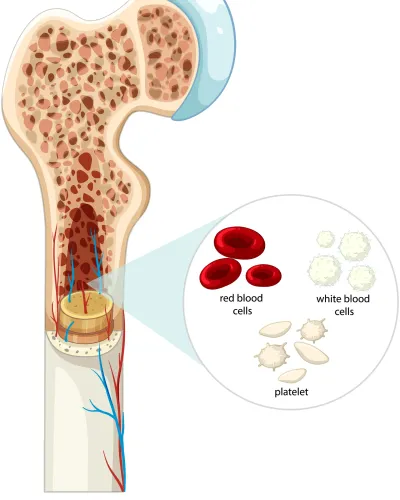
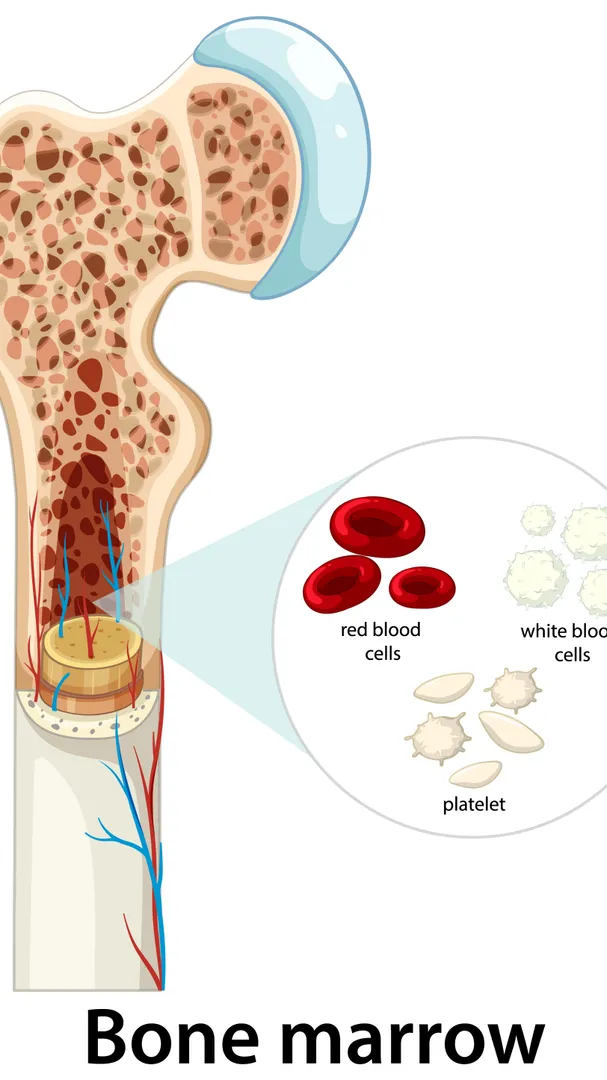
Bone marrow is the soft tissue inside bones responsible for producing red blood cells, white blood cells, and platelets.
When bone marrow stops functioning properly because of disease or intensive cancer treatment, doctors may recommend replacing it with healthy blood-forming stem cells.
The procedure is also known as a hematopoietic stem cell transplant.
Which Conditions May Require Bone Marrow Transplant?
Not every child with a blood disorder requires transplantation. Doctors recommend it only after careful evaluation.
Conditions that may benefit include:
- High-risk leukemia
- Relapsed leukemia
- Aplastic anemia
- Certain inherited immune disorders
- Bone marrow failure syndromes
- Some inherited blood disorders
- Selected metabolic disorders
The decision depends on disease type, severity, and response to previous treatment.
Understanding the Evaluation Process
Before recommending transplantation, specialists perform a detailed assessment.
This may include:
- Blood investigations
- Bone marrow examination
- Organ function tests
- Infection screening
- Imaging studies
- Donor compatibility testing
These evaluations help determine whether transplantation is the most appropriate option.
Finding a Suitable Donor
The success of transplantation depends partly on donor compatibility.
Possible donors include:
- Brother or sister with a matching tissue type
- Parent in selected situations
- Unrelated matched donor
- Umbilical cord blood donor
Doctors perform specialized testing before selecting the most suitable donor.
What Happens During the Procedure?
The transplant itself is not a surgical operation.
The process generally includes:
- Preparation with chemotherapy and, in some cases, radiation therapy.
- Infusion of healthy stem cells through a vein.
- Recovery period while the new stem cells begin producing healthy blood cells.
- Close monitoring for infection and complications.
Children remain under specialized medical supervision throughout this period.
Recovery Requires Careful Monitoring
Recovery continues even after the child leaves the hospital.
Doctors regularly monitor:
- Blood counts
- Immune recovery
- Organ function
- Nutritional status
- Infection risk
- Overall growth and development
Follow-up visits remain essential for several months after transplantation.
Preparing Families for the Journey
Parents can support recovery by:
- Following medication schedules carefully
- Maintaining excellent hygiene
- Avoiding exposure to infections
- Providing balanced nutrition
- Reporting fever immediately
- Attending every scheduled follow-up
Family participation plays a vital role throughout treatment.
Choosing Specialized Bone Marrow Transplant Care
Bone marrow transplantation requires expertise from a multidisciplinary team experienced in pediatric hematology, oncology, infectious diseases, intensive care, and supportive medicine.
Families in Nagpur often seek specialists who have experience managing complex childhood blood disorders requiring advanced therapies. Dr. Atish Bakane specializes in pediatric hematology, pediatric oncology, and bone marrow transplantation, providing individualized assessment and evidence-based treatment planning for eligible children.
Parents searching for a Bone Marrow Transplant Hospital in Nagpur should choose a centre with comprehensive diagnostic capabilities, multidisciplinary expertise, and long-term follow-up programs that support children before, during, and after transplantation.
Keywords