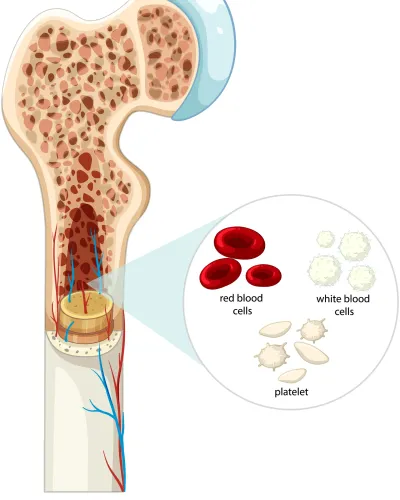
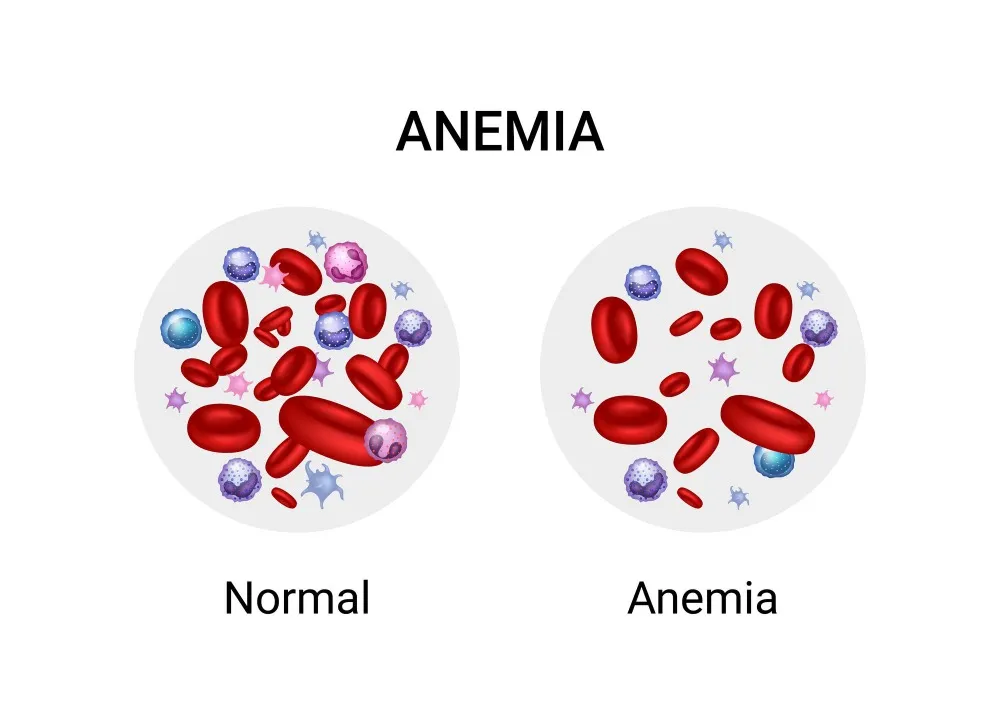
Aplastic anemia is a rare but serious blood disorder that affects the bone marrow's ability to produce healthy blood cells. Unlike iron deficiency anemia, this condition involves reduced production of red blood cells, white blood cells, and platelets, making children more vulnerable to fatigue, infections, and bleeding.
Parents looking for Aplastic Anemia Treatment for Children in Nagpur often want to understand how the condition develops, which symptoms require urgent attention, and what treatment options are available.
What Is Aplastic Anemia?
Bone marrow acts as the body's blood cell factory. In aplastic anemia, this factory slows down or stops producing enough healthy blood cells.
As a result, children may develop:
- Severe anemia
- Frequent infections
- Easy bruising
- Bleeding problems
- Persistent weakness
The condition may occur because of inherited disorders, immune system dysfunction, certain viral infections, medications, or unknown causes.
Early Symptoms Parents Should Recognize
Symptoms often develop gradually but may become severe without treatment.
Common signs include:
- Constant tiredness
- Pale appearance
- Shortness of breath
- Frequent fever
- Recurrent infections
- Nosebleeds
- Gum bleeding
- Small red or purple skin spots
- Easy bruising
- Poor stamina
These symptoms require prompt medical evaluation.
How Doctors Confirm the Diagnosis
Several investigations help determine whether bone marrow failure is responsible for the child's symptoms.
Doctors may recommend:
- Complete blood count
- Reticulocyte count
- Peripheral blood smear
- Bone marrow aspiration
- Bone marrow biopsy
- Viral screening
- Genetic testing in selected cases
Accurate diagnosis is essential because treatment differs from other forms of anemia.
Treatment Depends on Severity
Management is personalized according to the child's condition.
Possible treatment options include:
Supportive Care
Some children initially require:
- Blood transfusions
- Platelet transfusions
- Antibiotics
- Infection prevention measures
Immunosuppressive Therapy
If the immune system is damaging bone marrow cells, medicines may help restore blood cell production.
Bone Marrow Transplantation
For eligible children, bone marrow transplantation may provide a long-term treatment option, particularly in severe cases with suitable donors.
Doctors evaluate each child individually before recommending transplantation.
Everyday Care During Treatment
Parents play an important role in reducing complications.
Helpful precautions include:
- Avoiding crowded places during low immunity
- Monitoring for fever
- Maintaining good hygiene
- Preventing injuries
- Following medication schedules
- Keeping regular follow-up appointments
Immediate medical attention is necessary if fever or uncontrolled bleeding develops.
Why Specialized Pediatric Care Is Essential
Managing aplastic anemia requires expertise in pediatric hematology because children need age-appropriate treatment plans and careful monitoring.
Doctors regularly assess:
- Blood counts
- Bone marrow recovery
- Infection risk
- Growth and development
- Treatment response
This ongoing evaluation allows timely adjustments to therapy.
Understanding Long-Term Outlook
Many children respond well to appropriate treatment, especially when the condition is diagnosed early. Regular follow-up helps monitor recovery, detect complications, and support healthy physical development throughout childhood.
Families in Nagpur seeking specialized care for bone marrow disorders often consult pediatric hematology experts experienced in diagnosing and managing complex blood diseases. Dr. Atish Bakane provides comprehensive assessment and individualized treatment planning for children with aplastic anemia and other bone marrow disorders using evidence-based medical practices.
Parents searching for Aplastic Anemia Treatment for Children in Nagpur should prioritize early diagnosis, specialized pediatric evaluation, and consistent follow-up. Timely medical care significantly improves the ability to manage this rare condition while supporting a child's long-term health and quality of life.
Keywords