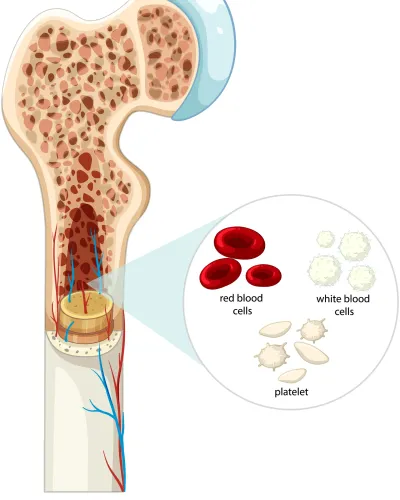

Blood cancers in children are uncommon, but early diagnosis can make a significant difference in treatment planning and outcomes. Many of the initial symptoms resemble common childhood illnesses, which is why persistent or unusual signs should never be ignored.
Parents searching for Child Blood Cancer Treatment in Nagpur often begin by looking for answers after noticing symptoms that continue despite routine medical care. Learning when specialist evaluation is appropriate can help families seek timely medical attention.
What Is Childhood Blood Cancer?
Blood cancers develop when abnormal blood cells begin multiplying uncontrollably inside the bone marrow.
The most common childhood blood cancers include:
- Acute lymphoblastic leukemia (ALL)
- Acute myeloid leukemia (AML)
- Certain lymphomas involving the blood or bone marrow
These conditions interfere with the production of healthy blood cells and require specialized treatment.
Early Symptoms Can Be Easy to Miss
Many symptoms overlap with viral infections or nutritional deficiencies.
Parents should pay attention to:
- Frequent fever
- Extreme tiredness
- Pale skin
- Easy bruising
- Nosebleeds
- Gum bleeding
- Bone pain
- Persistent joint pain
- Swollen lymph nodes
- Enlarged abdomen
- Unexplained weight loss
- Recurrent infections
Symptoms lasting longer than expected deserve further medical evaluation.
Why Prompt Diagnosis Matters
Early diagnosis allows treatment to begin before complications become severe.
Doctors may recommend investigations such as:
- Complete blood count
- Peripheral blood smear
- Bone marrow aspiration
- Bone marrow biopsy
- Flow cytometry
- Genetic studies
- Molecular testing
These tests help determine the exact diagnosis and guide individualized treatment.
Treatment Is Different for Every Child
Management depends on:
- Type of blood cancer
- Stage of disease
- Age of the child
- Overall health
- Laboratory findings
- Response to treatment
Treatment plans may include:
- Chemotherapy
- Targeted therapy
- Immunotherapy
- Blood transfusions
- Platelet support
- Bone marrow transplantation for selected cases
- Infection prevention
Doctors continually adjust treatment according to the child's progress.
Supporting Children During Treatment
Parents can contribute to successful care by:
- Encouraging proper nutrition
- Maintaining hydration
- Following medication schedules
- Monitoring for fever
- Avoiding unnecessary exposure to infections
- Keeping follow-up appointments
Emotional support also helps children cope with treatment and hospital visits.
Why Specialized Pediatric Oncology Matters
Children respond differently to blood cancer treatment than adults. Pediatric specialists understand how to balance effective therapy with healthy growth and long-term development.
Specialized care includes:
- Age-appropriate chemotherapy
- Growth monitoring
- Nutritional support
- Psychological care
- Infection management
- Long-term follow-up after treatment
This comprehensive approach improves overall quality of care.
Looking Beyond Recovery
Many children successfully complete treatment and continue normal school, sports, and family life. Continued medical follow-up helps monitor long-term health, detect late effects of treatment, and support healthy development into adolescence and adulthood.
Families in Nagpur seeking specialized care for childhood blood cancers often consult pediatric hematology and oncology experts with experience in diagnosing and managing complex blood disorders. Dr. Atish Bakane provides evidence-based evaluation and individualized treatment planning for children with leukemia, lymphoma, and other blood-related cancers.
Parents looking for Child Blood Cancer Treatment in Nagpur should prioritize early diagnosis, specialized pediatric expertise, and coordinated long-term care. Timely medical attention offers children the best opportunity for effective treatment while supporting their overall health and future well-being.
Keywords