
Parents naturally become concerned when a child experiences persistent health issues that do not seem to improve with routine treatment. While many childhood illnesses are temporary, certain symptoms involving the blood, immune system, or unexplained swelling may require evaluation by a specialist. Understanding the role of a Pediatric Hematologist Oncologist in Nagpur can help families make informed decisions when specialized care becomes necessary.
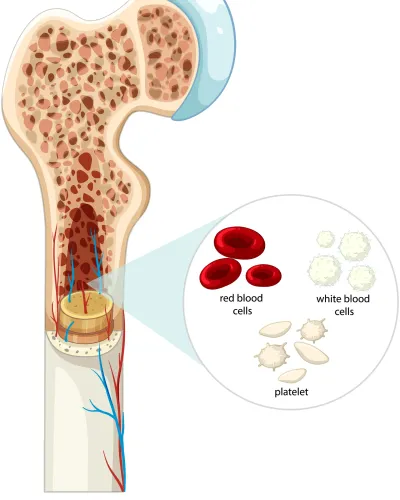
A pediatric hematologist-oncologist is trained to diagnose and manage blood disorders, childhood cancers, and conditions affecting the bone marrow in infants, children, and adolescents. Unlike adults, children often experience different types of blood diseases and cancers that require age-specific evaluation, treatment planning, and long-term monitoring. Early consultation with a specialist can support timely diagnosis and appropriate medical management.
What Does a Pediatric Hematologist-Oncologist Treat?
This specialty covers a broad range of conditions affecting blood cells, bone marrow, lymph nodes, and the immune system. Some of the commonly managed conditions include:
- Leukemia
- Lymphoma
- Sickle cell disease
- Thalassemia
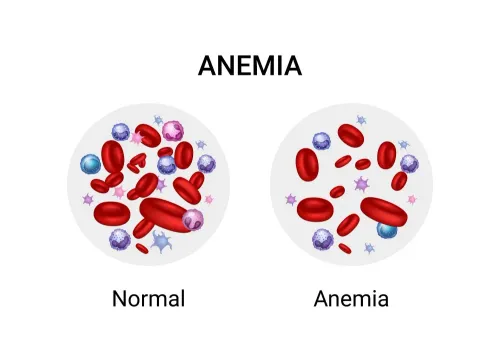
- Aplastic anemia
- Hemophilia and other bleeding disorders
- Low platelet disorders
- Iron deficiency and complex anemia
- Bone marrow failure syndromes
- Childhood solid tumors
Not every child referred to a specialist has cancer. Many children are evaluated for blood disorders that can be diagnosed and treated effectively after proper investigation.
Symptoms That Should Not Be Ignored
Many blood disorders share symptoms with common childhood illnesses, making early recognition important. Parents should seek medical advice if a child experiences:
- Persistent fever without a clear cause
- Frequent infections
- Unusual bruising or bleeding
- Pale skin that does not improve
- Severe tiredness or weakness
- Swollen lymph nodes lasting several weeks
- Bone or joint pain without injury
- Unexplained weight loss
- Enlarged abdomen due to liver or spleen enlargement
- Recurrent nosebleeds
These symptoms do not automatically indicate a serious illness, but they deserve careful medical evaluation, especially if they persist or worsen.
Why Early Diagnosis Matters
Early diagnosis allows doctors to identify the underlying condition before complications develop. Blood disorders often progress gradually, while certain childhood cancers benefit significantly from prompt treatment planning.
An early diagnosis may help:
- Identify the exact condition through appropriate testing
- Prevent avoidable complications
- Begin treatment before symptoms become severe
- Improve disease monitoring
- Support better quality of life during treatment
Parents should remember that many childhood blood disorders are manageable with proper medical care and regular follow-up.
How Is the Diagnosis Made?
Evaluation usually begins with a detailed medical history and physical examination. Depending on the child's symptoms, additional investigations may include:
- Complete blood count (CBC)
- Peripheral blood smear
- Iron studies
- Coagulation profile
- Bone marrow examination
- Genetic testing where indicated
- Imaging studies such as ultrasound or MRI
- Specialized laboratory investigations
Every child does not require every test. The investigations are selected according to the clinical findings and suspected diagnosis.
Conditions That Often Require Specialist Care
Certain medical conditions benefit from continued care under a pediatric hematologist-oncologist.
Leukemia
Leukemia is one of the most common childhood cancers and affects the blood-forming cells in the bone marrow. Early diagnosis allows treatment to begin promptly using carefully planned therapy protocols.
Sickle Cell Disease
Children with sickle cell disease may experience painful episodes, anemia, infections, and other complications. Regular monitoring helps reduce complications and improve overall health.
Aplastic Anemia
This condition occurs when the bone marrow produces fewer blood cells than normal. Management depends on the severity of the disease and may involve medications, supportive care, or bone marrow transplantation in selected cases.
Bleeding Disorders
Children with frequent bruising, prolonged bleeding, or recurrent nosebleeds may require specialized evaluation for inherited or acquired bleeding disorders.
What Parents Can Expect During the First Consultation
The first appointment usually focuses on understanding the child's complete medical history and current symptoms. Parents may be asked about:
- Previous illnesses
- Family medical history
- Growth and development
- Current medications
- Vaccination history
- Previous laboratory reports
Bringing earlier medical records and test results can help avoid unnecessary repeat investigations and support a more comprehensive assessment.
Specialized Care Close to Home
Families in Nagpur and nearby regions often prefer receiving specialized pediatric hematology and oncology care closer to home whenever possible. Access to experienced specialists can reduce travel-related stress while ensuring continuity of treatment and follow-up.
Dr. Atish Bakane provides specialized evaluation and management for children with blood disorders, pediatric cancers, and bone marrow-related conditions. The focus is on evidence-based care, detailed assessment, and working closely with families throughout diagnosis, treatment, and long-term follow-up.
Supporting Children Beyond Medical Treatment
Managing childhood blood disorders involves more than medications alone. Children often benefit from coordinated care that may include:
- Nutritional guidance
- Infection prevention strategies
- Emotional support for families
- Regular growth monitoring
- School reintegration planning when appropriate
- Long-term health surveillance after treatment
This comprehensive approach helps children maintain the best possible quality of life throughout their medical journey.
Parents should never ignore persistent symptoms that seem unusual or continue despite routine treatment. Consulting a Pediatric Hematologist Oncologist in Nagpur when recommended can help identify underlying conditions early and ensure children receive appropriate evaluation and specialized care based on their individual medical needs.
Keywords