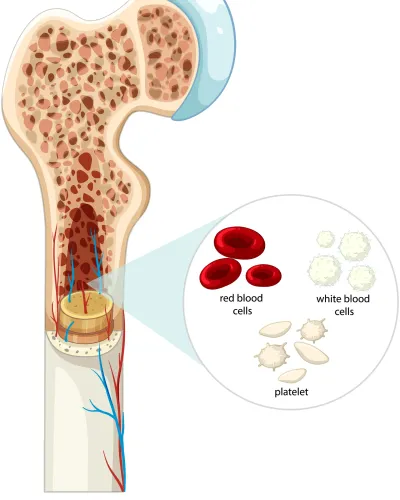

Sickle cell disease is one of the most common inherited blood disorders in India and affects thousands of children every year. The condition changes the shape of red blood cells, making them rigid and sickle-shaped instead of flexible and round. These abnormal cells can block blood flow, reduce oxygen delivery, and lead to repeated health complications.
Families searching for a Sickle Cell Anemia Doctor in Nagpur often want to know how the condition is managed, whether children can lead active lives, and when specialist care becomes necessary. While sickle cell disease cannot always be prevented, timely diagnosis and ongoing medical management can significantly improve a child's quality of life.
Understanding Sickle Cell Disease
Healthy red blood cells move smoothly through blood vessels and carry oxygen throughout the body. In children with sickle cell disease, the abnormal cells can stick together and break down more quickly than normal red blood cells.
This may result in:
- Chronic anemia
- Painful episodes known as sickle cell crises
- Increased risk of infections
- Delayed growth
- Organ-related complications
- Reduced oxygen delivery
Since the condition is inherited, children are born with it rather than developing it later in life.
Common Symptoms Parents Should Recognize
Symptoms vary from one child to another. Some experience mild problems, while others require frequent medical attention.
Common warning signs include:
- Persistent fatigue
- Pale skin
- Pain in the hands and feet
- Recurrent fever
- Swelling of fingers or toes
- Jaundice
- Delayed growth
- Frequent infections
- Episodes of severe body pain
Pain crises can occur suddenly and may require prompt medical care.
How Is Sickle Cell Disease Diagnosed?
Diagnosis usually involves blood investigations that identify abnormal hemoglobin.
Doctors may recommend:
- Complete blood count
- Hemoglobin electrophoresis
- High-performance liquid chromatography (HPLC)
- Genetic testing in selected cases
- Routine blood monitoring
Early diagnosis allows treatment to begin before complications become severe.
Treatment Focuses on Long-Term Management
Although there is no single treatment suitable for every child, medical care aims to reduce complications and improve overall health.
Treatment may include:
- Regular medical follow-up
- Preventive medications
- Vaccinations
- Nutritional guidance
- Blood transfusions when required
- Pain management during crises
- Infection prevention strategies
Some children with severe disease may also be evaluated for bone marrow transplantation.
Everyday Care Makes a Difference
Parents can reduce the risk of complications by encouraging healthy daily habits.
Helpful measures include:
- Keeping children well hydrated
- Avoiding extreme temperatures
- Ensuring adequate nutrition
- Following vaccination schedules
- Attending regular health check-ups
- Seeking immediate care for fever
Simple preventive steps often reduce hospital visits and improve long-term health.
When Should Parents Seek Urgent Medical Attention?
Immediate medical care is important if a child develops:
- High fever
- Severe chest pain
- Difficulty breathing
- Persistent severe pain
- Sudden weakness
- Changes in vision
- Unusual drowsiness
- Persistent vomiting
Quick treatment can help prevent serious complications.
Why Specialist Care Is Important
Sickle cell disease affects multiple organs over time. A pediatric hematologist monitors blood counts, growth, organ function, and overall development while adjusting treatment according to the child's needs.
Children also require periodic assessment for complications involving the lungs, kidneys, spleen, bones, and brain.
Families across Maharashtra often seek specialized pediatric hematology services for inherited blood disorders. Dr. Atish Bakane evaluates children with sickle cell disease using an individualized approach that focuses on long-term health, complication prevention, and age-appropriate treatment planning.
Supporting Children Beyond Medical Treatment
Children living with sickle cell disease can attend school, participate in activities, and enjoy childhood with proper medical supervision. Families, teachers, and healthcare providers all play important roles in supporting physical and emotional well-being.
Parents searching for a Sickle Cell Anemia Doctor in Nagpur should look for a specialist who provides comprehensive care, regular monitoring, and clear guidance that helps children remain as healthy and active as possible throughout their growing years.
Keywords