
A leukemia diagnosis in a child brings many questions for parents. Understanding the type of leukemia, available treatment options, and the factors that influence medical decisions can help families feel more prepared throughout the treatment journey. Pediatric leukemia requires specialized care because children’s bodies respond differently to medicines compared with adults.
Families searching for Pediatric Leukemia Treatment in Nagpur often want clear information about diagnosis, treatment phases, recovery, and the role of specialist care in managing this condition.
Understanding Leukemia in Children
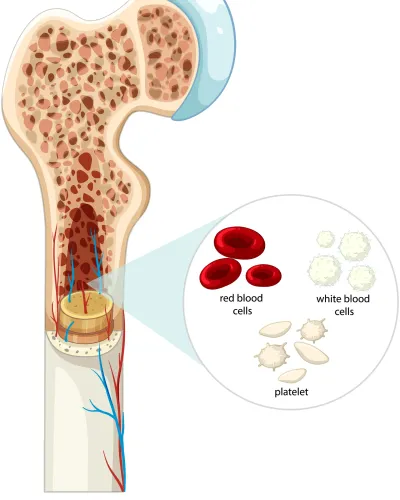
Leukemia is a cancer of the blood-forming tissues, mainly the bone marrow. It occurs when abnormal white blood cells grow rapidly and interfere with the production of healthy blood cells.
The most common types of childhood leukemia include:
- Acute Lymphoblastic Leukemia (ALL)
- Acute Myeloid Leukemia (AML)
Among these, ALL is the most frequently diagnosed leukemia in children.
Each type behaves differently and requires a specific treatment strategy based on medical findings.
How Doctors Determine the Right Treatment Plan
Before starting treatment, specialists perform detailed evaluations to understand the disease characteristics.
The assessment may include:
- Complete blood count
- Bone marrow examination
- Flow cytometry
- Chromosomal testing
- Molecular investigations
- Imaging studies when required
These tests help identify the leukemia subtype, risk category, and expected response to therapy.
Main Phases of Leukemia Treatment
Treatment is usually divided into multiple stages rather than a single procedure.
Induction Phase
The initial goal is to reduce leukemia cells and achieve remission. During this phase, children receive carefully selected medicines while doctors closely monitor blood counts and overall health.
Consolidation Phase
After remission, additional treatment helps eliminate remaining abnormal cells that may not be detectable through routine testing.
Maintenance Phase
Some children continue lower-intensity treatment for an extended period to reduce the chances of the disease returning.
Follow-Up Care
Regular monitoring continues even after treatment completion to assess recovery, growth, and long-term health.
Supportive Care During Treatment
Leukemia treatment affects healthy blood cells along with cancer cells, which is why supportive care is an essential part of management.
Children may require:
- Blood transfusions
- Platelet transfusions
- Antibiotics
- Nutritional support
- Infection prevention measures
- Management of treatment-related side effects
The healthcare team focuses on maintaining the child's comfort and safety throughout therapy.
When Bone Marrow Transplant May Be Considered
Most children with leukemia are treated successfully without transplantation. However, some situations may require additional options.
Doctors may consider bone marrow transplantation when:
- Leukemia returns after treatment
- The disease has high-risk features
- Standard treatments are not producing the expected response
A detailed evaluation is performed before recommending transplantation.
Helping Children Through Treatment
A child's emotional health is an important part of recovery. Long treatment periods can affect school routines, friendships, and daily activities.
Parents can support children by:
- Maintaining normal routines whenever possible
- Explaining procedures in simple language
- Encouraging communication about fears
- Following medical instructions carefully
- Creating a supportive home environment
A positive support system helps children manage treatment challenges.
Why Pediatric Leukemia Requires Specialist Expertise
Childhood leukemia treatment requires knowledge of pediatric cancer biology, age-specific medication dosing, infection control, and long-term follow-up planning.
Specialized pediatric oncology care considers:
- The child's growth stage
- Treatment tolerance
- Developmental needs
- School and social activities
- Future health considerations
Families in Maharashtra often seek dedicated pediatric hematology and oncology services for leukemia management. Dr. Atish Bakane provides evaluation and treatment planning for children with leukemia and other blood-related conditions, focusing on individualized care based on each child's medical requirements.
Choosing the Right Care Approach
Parents searching for Pediatric Leukemia Treatment in Nagpur should look for specialists who provide accurate diagnosis, evidence-based treatment, regular monitoring, and comprehensive support throughout the treatment journey.
With timely medical attention, appropriate therapy, and consistent follow-up, many children with leukemia continue to achieve meaningful recovery and return to active childhood experiences.
Keywords