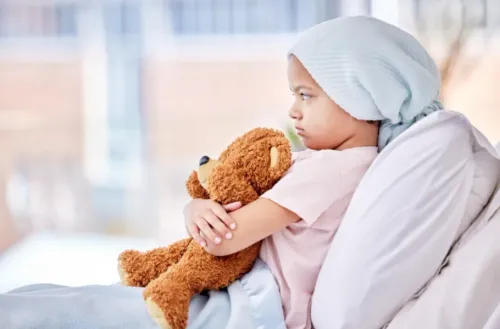

Hearing the word cancer in relation to a child is something no parent expects. Fortunately, childhood cancers are relatively uncommon, and many are treatable when diagnosed early and managed by specialists with expertise in pediatric oncology. Knowing the warning signs and understanding when to seek medical evaluation can help families take timely action without unnecessary panic.
A Child Cancer Specialist in Nagpur focuses on diagnosing and treating cancers that occur in infants, children, and adolescents. Childhood cancers differ significantly from adult cancers in their causes, behavior, treatment approaches, and long-term follow-up requirements. Specialized care ensures that treatment plans are designed specifically for growing children while addressing both their medical and developmental needs.
Is Childhood Cancer Common?
Childhood cancer is rare compared to adult cancer, but it remains one of the leading causes of serious illness in children. The good news is that advances in pediatric oncology have improved outcomes for many childhood cancers through early diagnosis, multidisciplinary treatment, and supportive care.
Unlike many adult cancers, childhood cancers are generally not linked to lifestyle factors. Most develop because of changes within developing cells, and in many cases, there is no known way to prevent them. This makes awareness of symptoms particularly important.
Common Types of Childhood Cancer
Several cancers are more frequently diagnosed during childhood than adulthood. These include:
- Leukemia
- Lymphoma
- Brain and spinal cord tumors
- Neuroblastoma
- Wilms tumor (kidney cancer)
- Bone cancers
- Soft tissue sarcomas
- Retinoblastoma (eye cancer)
Each condition presents differently, which is why professional evaluation is essential whenever symptoms persist or seem unusual.
Early Signs Parents Should Watch For
Many symptoms of childhood cancer resemble common childhood illnesses. However, symptoms that continue for several weeks or repeatedly return deserve medical attention.
Some important warning signs include:
- Persistent fever without infection
- Unexplained weight loss
- Constant tiredness or reduced energy
- Frequent bruising or bleeding
- Pale appearance
- Bone or joint pain that does not improve
- Swollen lymph nodes
- Persistent headaches, especially with vomiting
- Abdominal swelling or lumps
- Difficulty walking or changes in balance
- Vision changes or a white reflection in the eye
Having one or more of these symptoms does not necessarily mean a child has cancer. Many other medical conditions can cause similar complaints. The key is to seek timely evaluation rather than making assumptions.
When Should Parents Consult a Specialist?
Parents often wonder whether they should wait to see if symptoms improve or seek expert advice sooner. Consultation with a pediatric cancer specialist may be recommended if:
- Symptoms persist despite treatment.
- Blood test results are abnormal.
- A lump or swelling continues to grow.
- The child experiences repeated unexplained infections.
- Bruising or bleeding occurs without injury.
- Imaging or laboratory findings require further investigation.
Primary care pediatricians often identify situations where referral to a specialist is appropriate after an initial examination.
How Childhood Cancer Is Diagnosed
Diagnosis involves several carefully planned steps rather than relying on a single test. The specialist first evaluates the child's symptoms, medical history, and physical examination findings before recommending investigations.
Depending on the clinical situation, diagnostic tests may include:
- Complete blood count (CBC)
- Peripheral blood smear
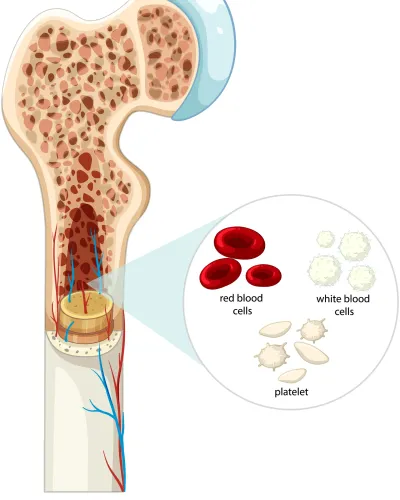
- Bone marrow examination
- Ultrasound or CT scan
- MRI when indicated
- PET scan in selected cases
- Biopsy of suspicious tissue
- Genetic or molecular testing
The choice of investigations depends entirely on the suspected condition and is individualized for every child.
Why Specialized Pediatric Cancer Care Matters
Children require treatment protocols that are very different from those used in adults. Pediatric oncology teams understand how cancer therapies affect growth, nutrition, immunity, learning, and emotional well-being.
Specialized care offers several advantages:
- Accurate diagnosis based on pediatric guidelines
- Age-appropriate chemotherapy protocols
- Close monitoring for treatment-related side effects
- Coordination among multiple specialists
- Long-term follow-up after treatment
- Support for both the child and family throughout care
This comprehensive approach helps address not only the disease but also the child's overall development and quality of life.
Supporting Families Throughout Treatment
A childhood cancer diagnosis affects the entire family. Parents often have questions about schooling, nutrition, infections, emotional health, and daily routines during treatment.
Supportive care may include:
- Nutritional counselling
- Infection prevention guidance
- Blood transfusion support when required
- Pain management
- Psychological support
- Educational planning during prolonged treatment
- Rehabilitation services where appropriate
Providing clear information and involving families in treatment decisions helps them navigate each stage of care with greater confidence.
Access to Specialized Care in Nagpur
Families across Nagpur and surrounding regions increasingly seek pediatric oncology services that combine advanced medical expertise with compassionate, child-focused care. Early referral to a specialist allows appropriate investigations to begin without unnecessary delays.
Dr. Atish Bakane provides specialized care for children diagnosed with blood disorders, leukemia, lymphoma, and other pediatric cancers. The approach emphasizes evidence-based treatment, individualized care planning, and continuous communication with families throughout diagnosis, treatment, and follow-up.
Looking Beyond Treatment
Many children who complete cancer treatment continue to lead healthy and fulfilling lives. Regular follow-up remains important to monitor recovery, growth, and long-term health while identifying any late effects of therapy at an early stage.
Parents should remember that persistent symptoms always deserve attention, but they should not immediately lead to fear. Consulting a Child Cancer Specialist in Nagpur when concerns arise allows children to receive timely evaluation, an accurate diagnosis, and appropriate care based on their specific medical condition.
Keywords