Sickle cell anemia is one of the most common inherited blood disorders seen in children across several parts of India, including regions of Maharashtra. While it is a lifelong condition, early diagnosis and consistent medical care can significantly reduce complications and improve a child's quality of life. Parents who understand the disease and its management are better prepared to recognize symptoms, prevent emergencies, and support their child's overall well-being.
Families searching for a Sickle Cell Anemia Doctor in Nagpur are often looking for answers after a recent diagnosis or because their child has symptoms such as recurring pain, frequent infections, or persistent anemia. Knowing how the condition affects the body and what treatment involves can help families make informed healthcare decisions.
What Is Sickle Cell Anemia?
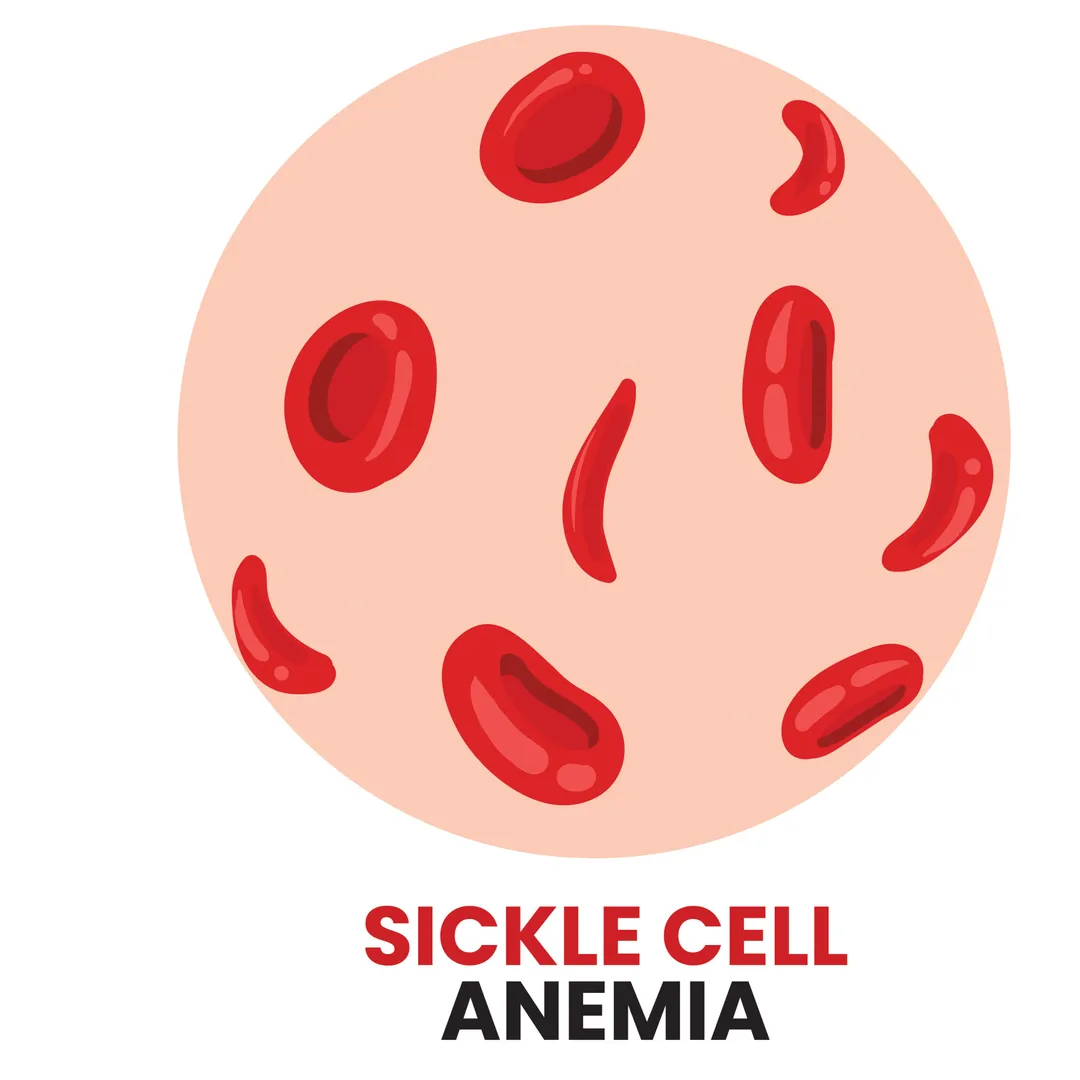
Sickle cell anemia is a genetic blood disorder that affects hemoglobin, the protein inside red blood cells responsible for carrying oxygen throughout the body. In children with this condition, some red blood cells become hard, sticky, and crescent or sickle shaped instead of remaining round and flexible.
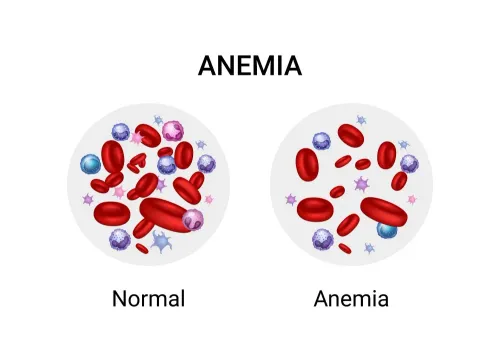
These abnormal cells can block small blood vessels, reducing blood flow to different parts of the body. They also break down more quickly than healthy red blood cells, leading to chronic anemia.
Because sickle cell anemia is inherited, it is present from birth. It cannot spread from one person to another and is not caused by diet, lifestyle, or infections.
Common Symptoms in Children
Symptoms may begin during infancy or early childhood, although the severity varies from one child to another.
Common signs include:
- Persistent anemia
- Pale skin
- Frequent tiredness
- Pain episodes affecting the hands, feet, chest, or joints
- Swelling of the hands and feet in infants
- Delayed growth
- Frequent infections
- Yellowing of the eyes or skin (jaundice)
- Shortness of breath during activity
- Enlarged spleen in some children
Not every child experiences the same symptoms, making regular medical follow-up important.
Why Early Diagnosis Matters
Early diagnosis allows treatment to begin before serious complications develop. Many children are diagnosed through newborn screening where available or after investigations for persistent anemia or recurrent pain.
Early diagnosis helps healthcare providers:
- Monitor growth and development
- Reduce infection risk
- Prevent severe complications
- Educate families about warning signs
- Plan regular follow-up visits
- Recommend appropriate vaccinations
- Start preventive medications when indicated
Children who receive timely medical care often experience fewer hospital admissions and better long-term health.
How Is Sickle Cell Anemia Diagnosed?
Diagnosis usually begins with blood tests when symptoms or family history raise suspicion.
Investigations may include:
- Complete Blood Count (CBC)
- Peripheral blood smear
- Hemoglobin electrophoresis
- High-performance liquid chromatography (HPLC)
- Genetic testing in selected cases
These tests help confirm the diagnosis and distinguish sickle cell disease from other inherited blood disorders.
Treatment Goals
Although there is currently no universal cure for every child with sickle cell anemia, modern treatment focuses on preventing complications, relieving symptoms, and helping children maintain an active lifestyle.
Treatment goals include:
- Managing anemia
- Preventing infections
- Reducing painful crises
- Supporting normal growth
- Monitoring organ health
- Improving quality of life
Each treatment plan is individualized based on the child's age, symptoms, and overall health.
Common Treatment Approaches
Treatment may involve a combination of supportive care and specialized medical management.
Preventive Care
Children often receive:
- Recommended vaccinations
- Preventive antibiotics during early childhood when appropriate
- Regular health check-ups
- Nutritional guidance
- Folic acid supplementation if advised by the treating doctor
Pain Management
Pain episodes, also called vaso-occlusive crises, are one of the most common complications. Early treatment with fluids, pain-relieving medicines, and medical supervision helps manage these episodes safely.
Blood Transfusions
Some children may require blood transfusions for severe anemia or specific complications. The decision depends on individual clinical circumstances and is carefully monitored.
Disease-Modifying Medicines
Certain medications may reduce the frequency of pain episodes and other complications in selected children. These medicines are prescribed only after specialist evaluation and regular monitoring.
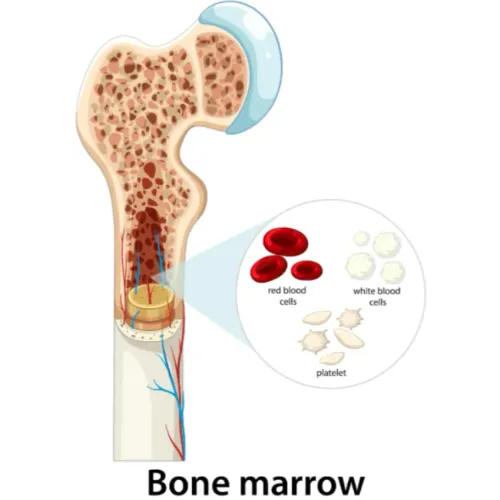
Bone Marrow Transplant
For some children, particularly those with severe disease and a suitable donor, bone marrow transplantation may be considered. This decision requires careful assessment by pediatric hematology specialists.
Helping Your Child Stay Healthy
Parents play a major role in managing sickle cell disease at home.
Helpful practices include:
- Encouraging adequate fluid intake
- Ensuring a balanced diet
- Preventing dehydration
- Avoiding extreme temperatures
- Keeping vaccination schedules up to date
- Seeking prompt medical care for fever
- Attending regular follow-up appointments
- Encouraging age-appropriate physical activity without overexertion
These simple measures help reduce complications and support healthy growth.
When Should Immediate Medical Care Be Sought?
Certain symptoms require urgent medical evaluation.
Parents should contact their healthcare provider immediately if a child develops:
- High fever
- Difficulty breathing
- Severe chest pain
- Sudden weakness
- Persistent vomiting
- Severe abdominal pain
- Uncontrolled pain crisis
- Reduced alertness
- Sudden swelling of the abdomen
Early medical attention can help prevent serious complications.
Specialized Pediatric Sickle Cell Care in Nagpur
Children with sickle cell disease benefit from long-term care under specialists experienced in pediatric hematology. Regular monitoring allows doctors to identify complications early and adjust treatment according to the child's changing needs.
Dr. Atish Bakane provides specialized evaluation and management for children with sickle cell anemia and other inherited blood disorders. The focus is on evidence-based care, individualized treatment planning, preventive strategies, and ongoing guidance for families throughout childhood and adolescence.
Looking Ahead
Although sickle cell anemia requires lifelong medical attention, many children today lead active and fulfilling lives with appropriate treatment and regular follow-up. Advances in pediatric hematology continue to improve disease management and help reduce long-term complications.
Parents looking for a Sickle Cell Anemia Doctor in Nagpur should seek specialist care if their child has persistent anemia, recurrent pain episodes, or a confirmed diagnosis of sickle cell disease. Early intervention, regular monitoring, and family education remain the foundation of effective long-term care, helping children achieve better health and improved quality of life.
Keywords