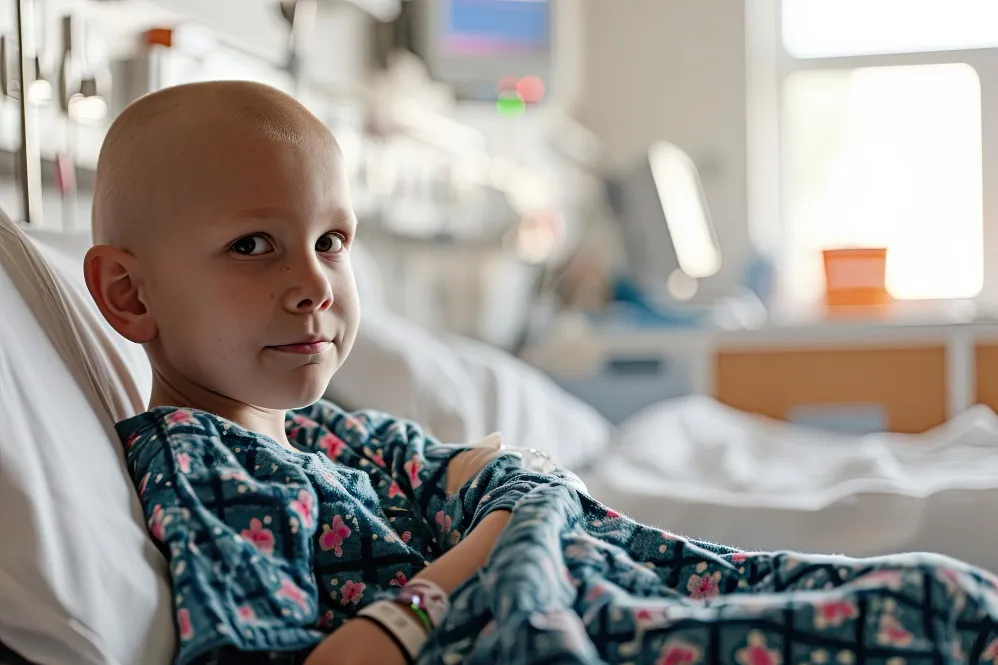
A diagnosis of leukemia in a child can bring uncertainty and many difficult questions. Parents often want to know what leukemia is, how it is treated, how long treatment may take, and what they can do to support their child throughout the journey. Understanding the treatment process can help families feel more prepared and make informed decisions alongside their healthcare team.
When searching for Pediatric Leukemia Treatment in Nagpur, parents are usually looking for reliable information that explains the condition in simple terms while outlining the steps involved in diagnosis, treatment, recovery, and long-term follow-up. Every child's treatment plan is unique, but knowing what to expect can make the experience less overwhelming.
What Is Pediatric Leukemia?
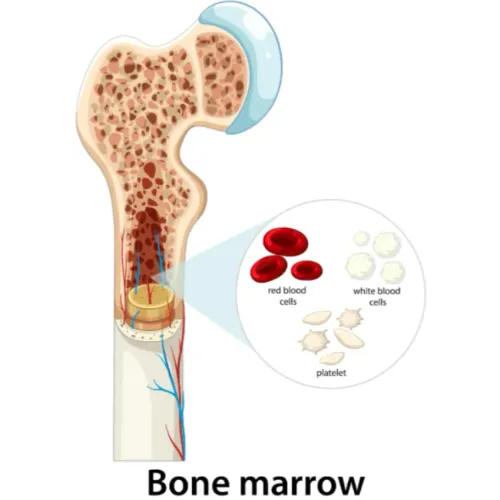
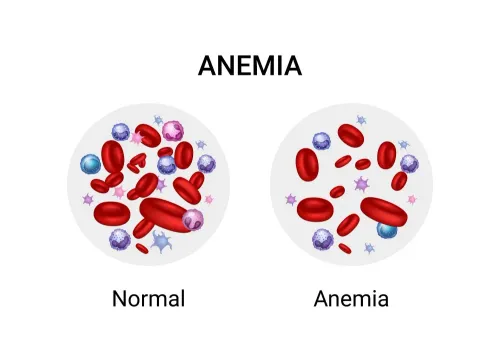
Leukemia is a cancer of the blood-forming tissues, primarily affecting the bone marrow where blood cells are produced. Instead of making healthy blood cells, the bone marrow begins producing abnormal white blood cells that interfere with normal blood cell production.
Leukemia is the most common type of childhood cancer. Although hearing the diagnosis can be frightening, advances in pediatric oncology have significantly improved treatment outcomes over the past few decades.
The two main types seen in children are:
- Acute Lymphoblastic Leukemia (ALL): The most common form of childhood leukemia.
- Acute Myeloid Leukemia (AML): Less common but requiring specialized treatment protocols.
Each type has different treatment approaches and expected outcomes.
Symptoms That May Lead to Diagnosis
The early symptoms of leukemia often resemble common childhood illnesses. Persistent or unexplained symptoms should always be evaluated by a doctor.
Some warning signs include:
- Ongoing fever
- Frequent infections
- Easy bruising or bleeding
- Pale appearance
- Extreme tiredness
- Bone or joint pain
- Swollen lymph nodes
- Enlarged liver or spleen
- Poor appetite
- Unexplained weight loss
These symptoms do not necessarily indicate leukemia, but they warrant timely medical assessment if they persist.
How Is Leukemia Diagnosed?
Diagnosis begins with a detailed medical history and physical examination. If leukemia is suspected, additional investigations help confirm the diagnosis and determine the specific subtype.
These may include:
- Complete Blood Count (CBC)
- Peripheral blood smear
- Bone marrow aspiration and biopsy
- Flow cytometry
- Cytogenetic analysis
- Molecular testing
- Lumbar puncture in selected cases
- Imaging studies when clinically indicated
These tests allow specialists to classify the disease accurately and create an individualized treatment plan.
Understanding the Treatment Process
Parents are often surprised to learn that leukemia treatment occurs in carefully planned stages rather than through a single course of therapy.
Treatment commonly includes:
Induction Therapy
The first phase aims to destroy leukemia cells and achieve remission. During this period, children are monitored closely with regular blood tests and supportive care.
Consolidation Therapy
Once remission is achieved, additional treatment helps eliminate any remaining leukemia cells that may not be visible through routine testing.
Maintenance Therapy
For certain types of leukemia, lower-intensity treatment continues for an extended period to reduce the risk of recurrence.
Central Nervous System Protection
Because leukemia cells can sometimes affect the brain and spinal cord, treatment may include medicines administered into the spinal fluid as part of the overall protocol.
Every treatment plan is based on internationally accepted pediatric oncology guidelines and adjusted according to the child's response.
Managing Side Effects During Treatment
Leukemia treatment affects rapidly growing cells, which means some side effects are expected. Modern supportive care plays a vital role in helping children tolerate treatment safely.
Common side effects may include:
- Low blood counts
- Increased risk of infection
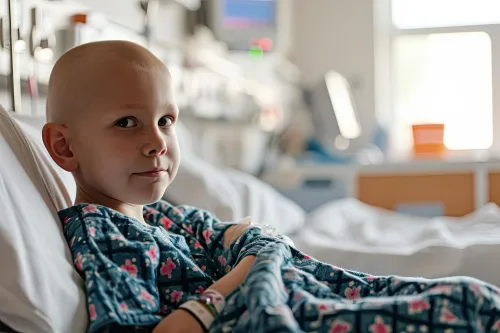
- Hair loss
- Mouth sores
- Fatigue
- Nausea
- Temporary loss of appetite
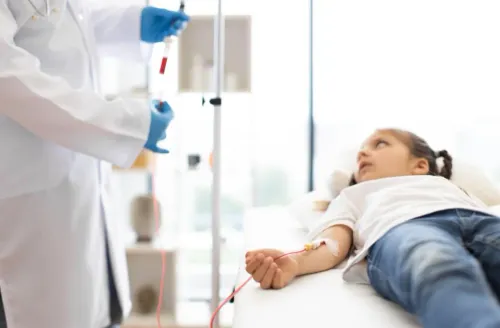
Healthcare teams monitor children regularly and provide medications, nutritional support, blood transfusions, and infection management whenever necessary.
How Parents Can Support Their Child
Medical treatment is only one part of caring for a child with leukemia. Emotional reassurance, good nutrition, and maintaining a supportive environment also contribute significantly.
Parents can help by:
- Following medication schedules carefully
- Encouraging adequate fluid intake
- Offering balanced meals as advised
- Maintaining excellent hand hygiene
- Limiting exposure to infections
- Keeping follow-up appointments
- Reporting fever or unusual symptoms immediately
- Supporting school participation whenever medically appropriate
Children often cope better when daily routines remain as normal as possible.
Questions Parents Should Ask the Treating Specialist
Being informed helps families participate confidently in treatment decisions.
Useful questions include:
- What type of leukemia does my child have?
- What stage of treatment are we starting?
- What side effects should we expect?
- How often will hospital visits be required?
- Will blood transfusions be needed?
- Are there situations that require emergency medical attention?
- What precautions should be followed at home?
- How will treatment affect school and daily activities?
Open communication with the treating team helps families understand each stage of care.
Pediatric Leukemia Care in Nagpur
Access to specialized pediatric hematology and oncology services allows children to receive coordinated care close to home. Timely diagnosis, evidence-based treatment protocols, and continuous monitoring all contribute to effective disease management.
Dr. Atish Bakane provides specialized evaluation and treatment for children diagnosed with leukemia and other blood disorders. The care approach focuses on individualized treatment planning, close monitoring throughout therapy, and regular communication with families so that every decision is made with clarity and confidence.
Looking Beyond Treatment
Many children treated for leukemia today go on to lead active and healthy lives after completing therapy. Long-term follow-up remains an important part of care, allowing specialists to monitor recovery, growth, learning, and overall health as children continue to develop.
Parents seeking Pediatric Leukemia Treatment in Nagpur should remember that early diagnosis, adherence to treatment, and ongoing follow-up are key elements of successful care. With advances in pediatric oncology and comprehensive specialist support, families can approach the treatment journey with greater understanding and hope.
Keywords