Learning that a child may need a bone marrow transplant can feel overwhelming for any family. Questions about why the procedure is needed, how it works, and what recovery involves often arise soon after the diagnosis. While a bone marrow transplant is a complex treatment, it has become an established option for several serious blood disorders, immune deficiencies, and childhood cancers. Understanding the process can help parents make informed decisions alongside their healthcare team.
A Bone Marrow Transplant Expert in Nagpur evaluates children with conditions that may benefit from this specialized treatment and works with a multidisciplinary team to determine whether transplantation is the most appropriate option. Not every child with a blood disorder or cancer requires a bone marrow transplant, and the decision is always based on the child's diagnosis, overall health, response to previous treatments, and long-term outlook.
What Is a Bone Marrow Transplant?
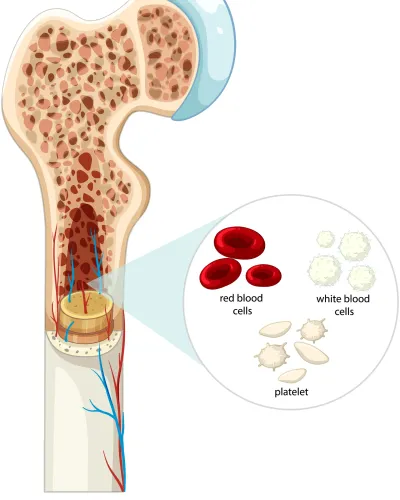
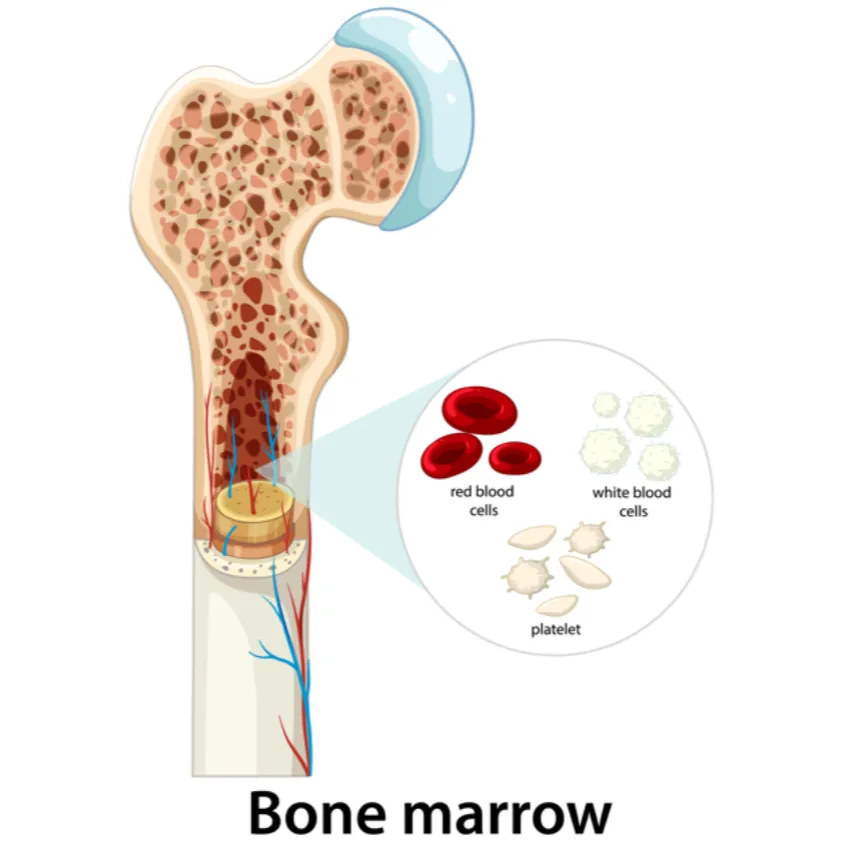
Bone marrow is the soft tissue found inside bones where blood cells are produced. It continuously creates red blood cells, white blood cells, and platelets that are essential for carrying oxygen, fighting infections, and controlling bleeding.
When the bone marrow is damaged or unable to produce healthy blood cells, replacing it with healthy stem cells may restore normal blood formation. This procedure is commonly known as a bone marrow transplant or hematopoietic stem cell transplant.
Depending on the medical condition, stem cells may come from:
- A matched sibling donor
- Another compatible family member
- An unrelated matched donor
- Umbilical cord blood
- The child's own stem cells in selected situations (autologous transplant)
The choice depends on the disease being treated and donor availability.
Which Children May Need a Bone Marrow Transplant?
Bone marrow transplantation is considered for several pediatric conditions when other treatment options are unlikely to provide long-term control or cure.
Some of these conditions include:
- High-risk leukemia
- Certain types of lymphoma
- Severe aplastic anemia
- Thalassemia major
- Sickle cell disease in selected patients
- Bone marrow failure syndromes
- Primary immune deficiency disorders
- Certain inherited metabolic disorders
Each child undergoes a detailed assessment before transplantation is recommended.
How Is It Decided Whether a Child Needs a Transplant?
A transplant is never recommended based on a single test or diagnosis alone. Specialists carefully evaluate multiple factors, including:
- The exact disease and its stage
- Response to previous treatment
- Risk of disease recurrence
- Availability of a suitable donor
- Overall health of the child
- Heart, lung, liver, and kidney function
- Presence of infections
- Nutritional status
Parents are usually involved in detailed discussions about the expected benefits, possible risks, and available alternatives before making a decision.
Preparing for a Bone Marrow Transplant
Preparation begins several weeks before the transplant procedure. During this period, children undergo comprehensive medical evaluation to ensure they are ready for treatment.
This may include:
- Blood investigations
- Bone marrow examination
- Imaging studies
- Cardiac assessment
- Lung function evaluation
- Infection screening
- HLA typing for donor matching
Families also receive counselling regarding hospital stay, infection prevention, nutrition, and post-transplant care.
What Happens During the Procedure?
Despite its name, a bone marrow transplant does not usually involve surgery. Healthy stem cells are infused into the child's bloodstream through an intravenous line, similar to receiving a blood transfusion.
Once inside the body, these stem cells travel naturally to the bone marrow, where they begin producing new blood cells over time.
The process generally includes:
- Pre-transplant conditioning therapy, which may involve chemotherapy with or without radiation depending on the condition.
- Stem cell infusion.
- Close monitoring until the transplanted cells begin producing healthy blood cells.
- Recovery and supportive care.
The time required for recovery varies from one child to another.
Possible Risks and Challenges
Like any advanced medical treatment, bone marrow transplantation carries potential risks. The healthcare team closely monitors children throughout the process to identify and manage complications early.
Possible challenges include:
- Temporary low blood counts
- Increased risk of infections
- Bleeding due to reduced platelets
- Graft-versus-host disease in allogeneic transplants
- Organ-related complications
- Nutritional difficulties
Modern transplant protocols, infection control measures, and supportive therapies have significantly improved safety over the years.
Life After a Bone Marrow Transplant
Recovery continues well after discharge from the hospital. Regular follow-up visits help monitor blood counts, immune recovery, growth, and overall health.
Parents are often advised to:
- Maintain excellent hygiene practices
- Follow dietary recommendations
- Ensure medicines are taken exactly as prescribed
- Avoid unnecessary exposure to infections
- Attend scheduled follow-up appointments
- Inform the healthcare team about any fever or unusual symptoms promptly
Returning to school and routine activities usually happens gradually based on the child's recovery.
Accessing Specialized Pediatric Transplant Care in Nagpur
Children requiring advanced hematology and transplant services benefit from coordinated care involving pediatric hematologists, oncologists, transplant specialists, nurses, nutritionists, and other healthcare professionals.
Dr. Atish Bakane provides specialized evaluation for children with complex blood disorders, pediatric cancers, and conditions where bone marrow transplantation may be considered. Care is guided by established clinical protocols, careful assessment, and continuous communication with families throughout every stage of treatment.
Supporting Families Through Every Step
Facing the possibility of a bone marrow transplant can be emotionally challenging, but understanding the treatment process often reduces uncertainty. Parents should feel comfortable asking questions about donor selection, treatment timelines, expected outcomes, recovery, and long-term follow-up.
Consulting a Bone Marrow Transplant Expert in Nagpur when recommended ensures that children receive a thorough evaluation and individualized treatment planning. With timely diagnosis, appropriate medical care, and ongoing support, many children successfully complete transplantation and continue their journey toward healthier lives.
Keywords